
Introduction to Roulette
 | Updated:
 Roulette: One of the Most Iconic Casino Games
 Roulette has been played for centuries and remains one of the most recognizable games in casinos worldwide. Its numerous betting options offer a style of play unmatched by most other popular casino games. The thrill, excitement, and complexity of roulette make it both fascinating and strategic. For these reasons, roulette has become one of the preferred choices in the online gaming industry. It also offers several variants that cater to different player preferences.
The game was popularized throughout Europe by two French brothers. It became a sensation among gambling communities, which is one reason roulette remains popular today. The core rules have changed very little over time. However, the game has evolved into three main variations: European, French, and American. A casino may offer all three versions or select the ones it prefers. Every player should become familiar with the specific rules of a table before starting to play.

-
 Sign Up Bonus
Up to $100
100% Bonus!9.7 -
Sign Up Bonus
Up to $30000
100% Bonus!9.4 -
Sign Up Bonus
Up to $1000
200% Bonus!9.3







The rules are easy to understand, and their basic principles are the same across all three variations. The main goal is to correctly predict the numbered pocket in which the ball will land. To determine the winning number, the croupier tosses the ball in the direction opposite to the spinning wheel. There is considerable speculation about how the ball is tossed. Each croupier naturally has a distinctive style, known as the dealer’s signature. To limit the effects of this practice, dealers are rotated at regular intervals. The material used to make the ball can also affect how lively it is.
Seemingly simple yet difficult to master, roulette reveals deeper levels of intricacy the more you study it. We have therefore compiled this general guide to roulette, covering the most popular variations of the game and the types of bets available in each, as well as the additional wagering options found at French-style tables.
Variations of Roulette
 The primary difference among the three variants stems from the wheel itself. The French and European variants have 37 numbered pockets, including the numbers 1 to 36 and a single zero pocket. The familiar color pattern alternates between black and red, while the single-zero pocket is green. This design results in a relatively low house edge of 2.70%. The American version adds a double-zero pocket, increasing the house edge to 5.26%.
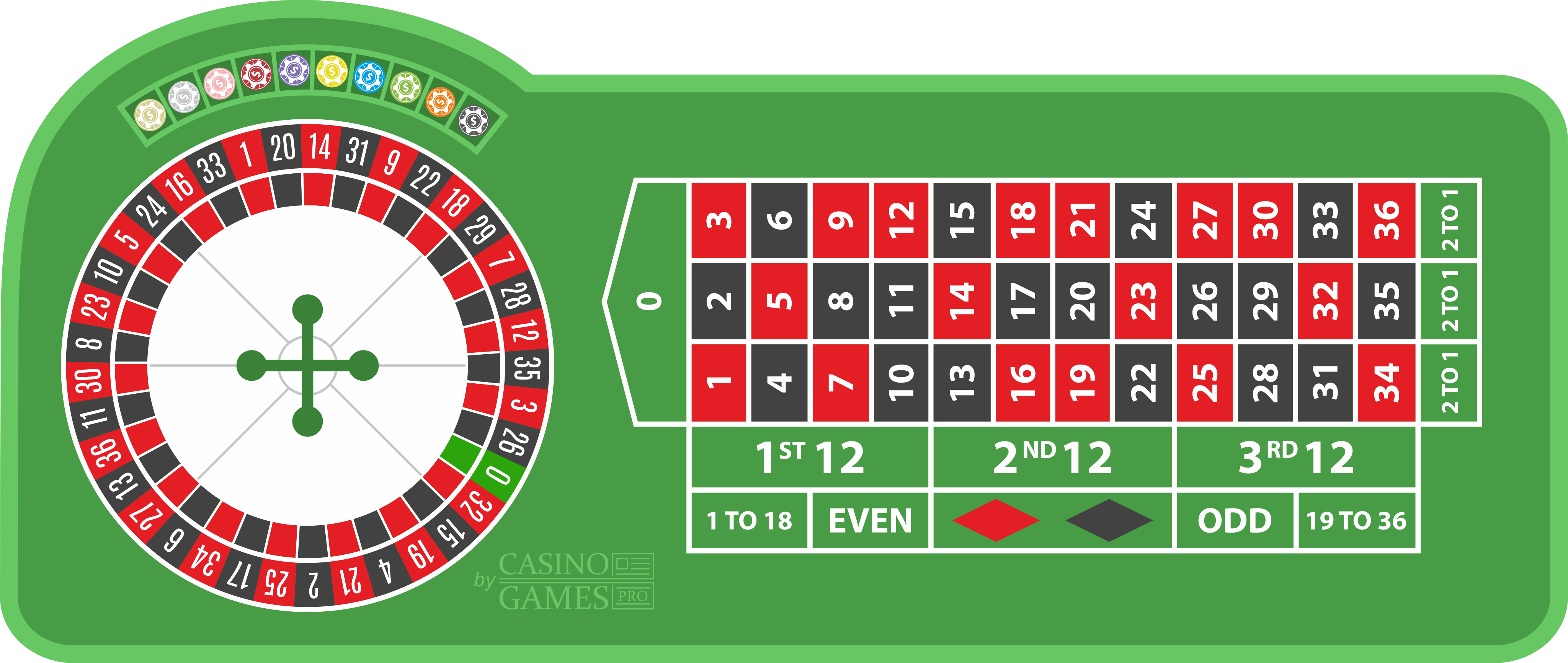
Furthermore, the French and European wheels are identical and feature the same number sequence. Aside from its additional zero pocket, the American wheel arranges the numbers differently. Some players consider the American version more systematic because two consecutive numbers are positioned diametrically opposite each other. Conversely, the European wheel may appear random, but a closer look reveals a pattern: a high number (19-36) is placed next to a low number (1-18), with the only exception being 5 next to 10.
Many people assume that European and French roulette are the same. Although they follow the same basic rules, there are some differences. The layout of the French table is labeled entirely in French. However, you can still play at a French table even if you are not fluent in the language, as the bets remain the same. French-style tables may also offer bets placed on specific sections of the wheel. Moreover, two additional rules may be available at French tables, both of which benefit players. Many people consider the French variant more advantageous because of the La Partage and En Prison rules. These rules apply when the ball lands in the zero pocket and can reduce the house edge to 1.35%. Some European tables also apply these rules.
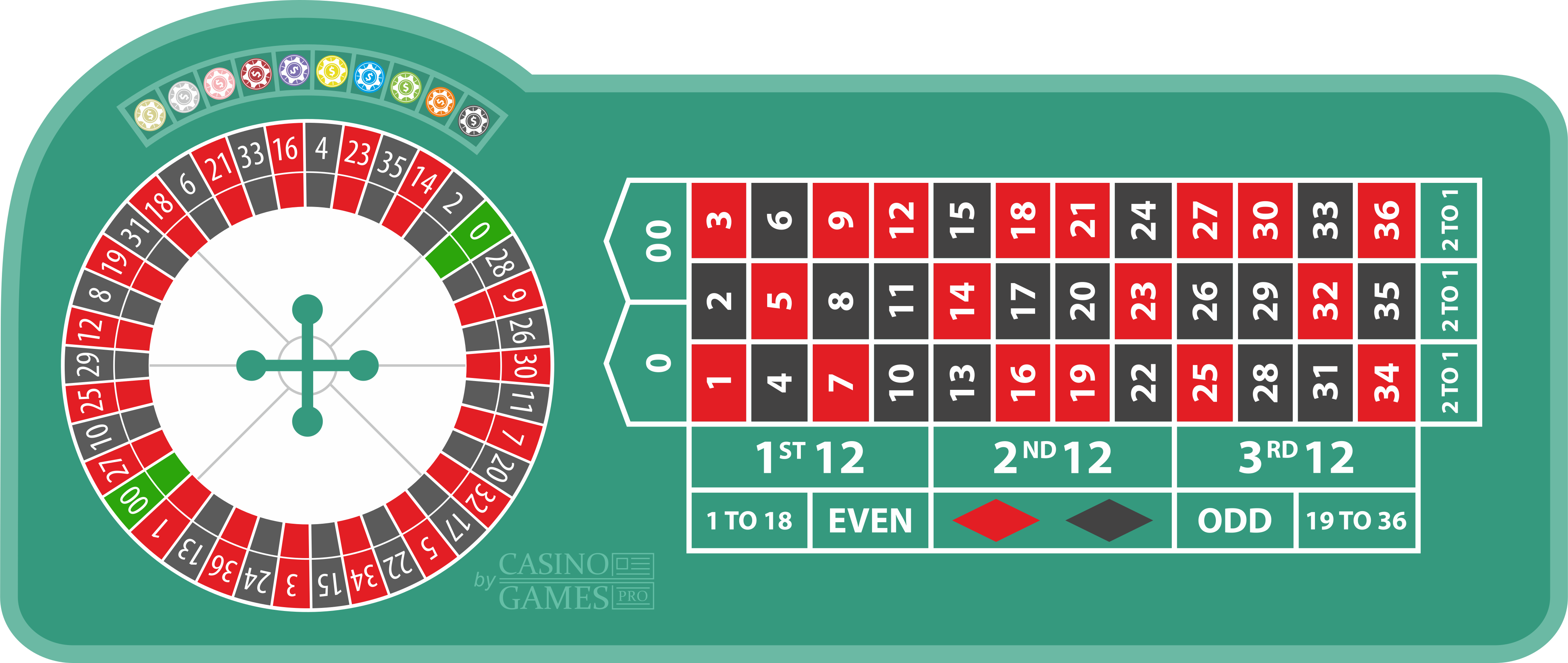
The two zero pockets on the American wheel reduce the player’s chances of beating the house and produce a higher house edge. This is why the American variation is not among the most preferred versions. American roulette is more challenging because the additional zero pocket increases the chance of losing.
Variety of Bets
 The game starts after all players have placed their bets on the table layout. The inside section consists of small squares corresponding to each numbered pocket on the wheel. Here, you can bet on a particular number or a group of numbers. These wagers are known as inside bets. Several types are available, depending on how the numbers are combined.




Inside Bets in All Variations of Roulette
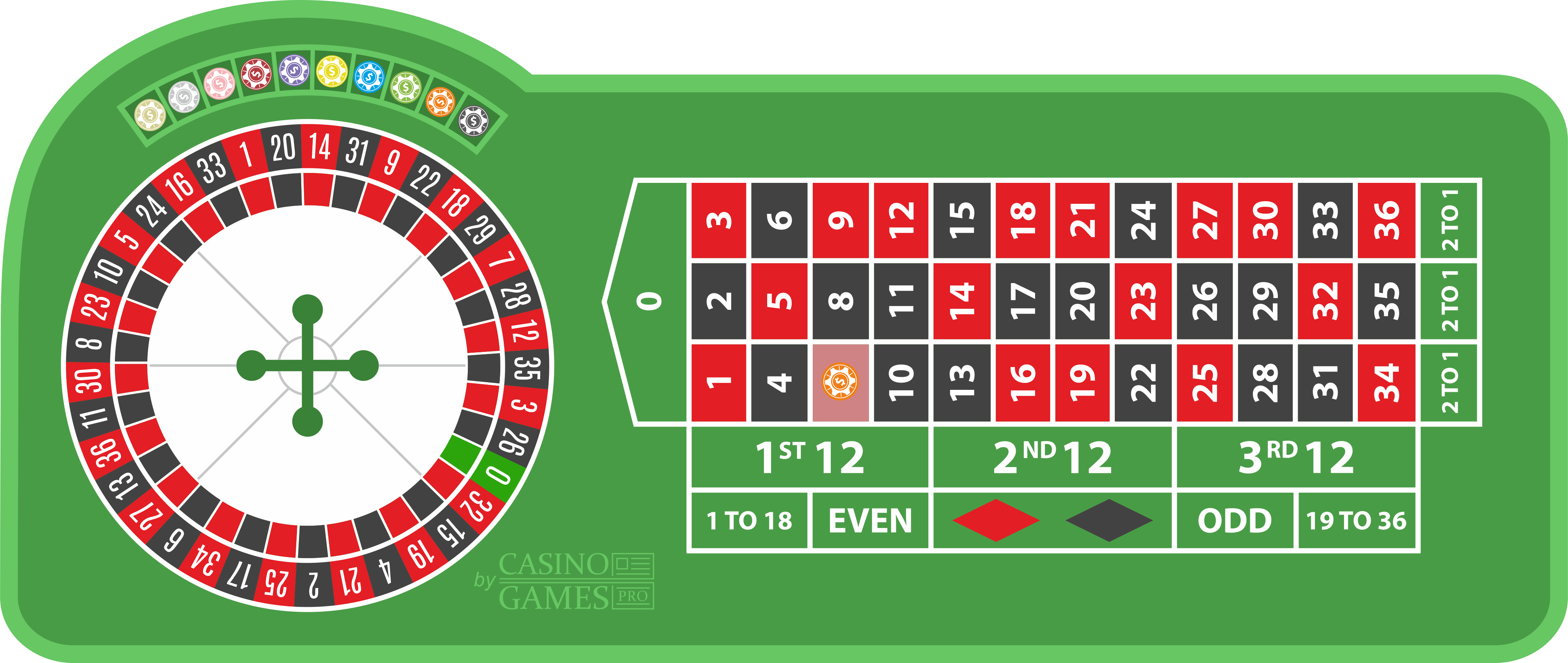
Straight-up bets are placed on a single number, and the player must predict the exact numbered pocket in which the ball will land. Because the probability of success is low, the payout is 35:1.
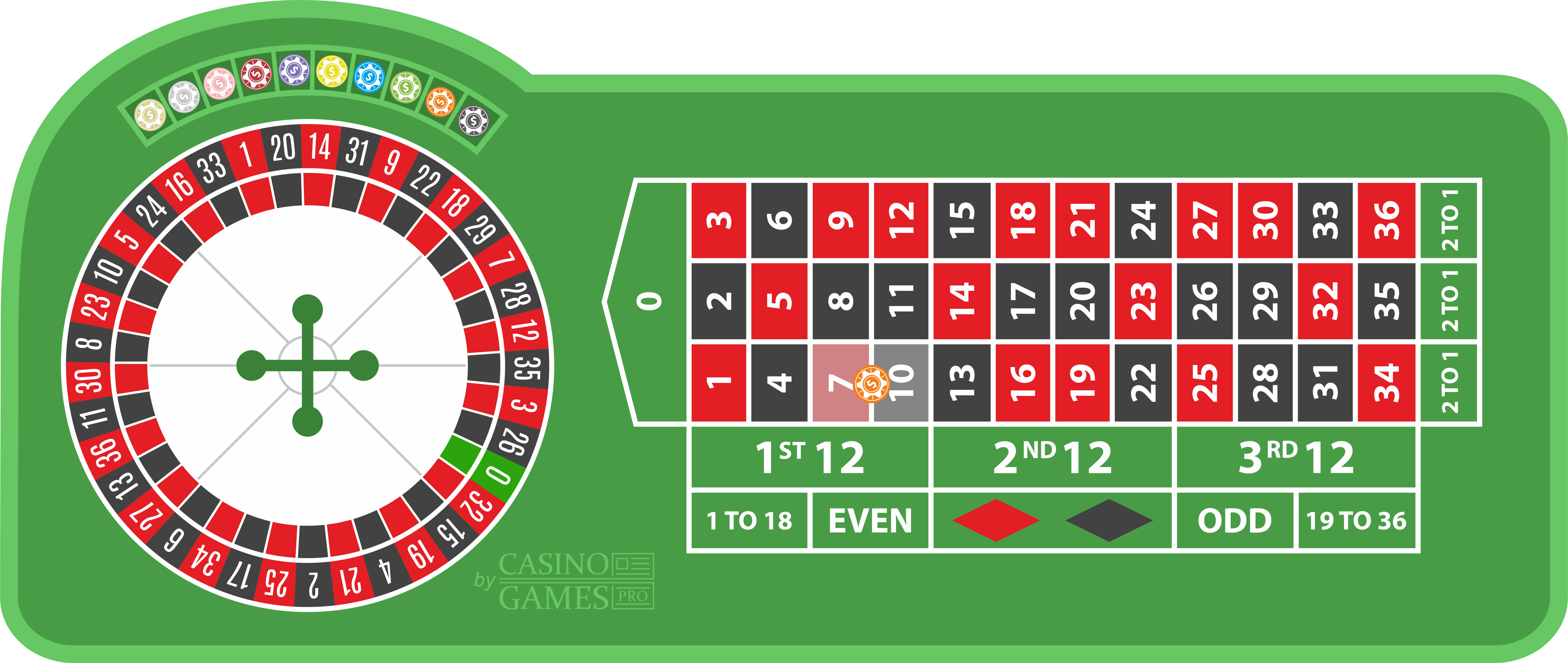
As mentioned earlier, players can place bets on more than one number. One such option is the split bet, in which you wager on two neighboring numbers. You win if the ball settles in a pocket containing either number. The payout is 17:1.
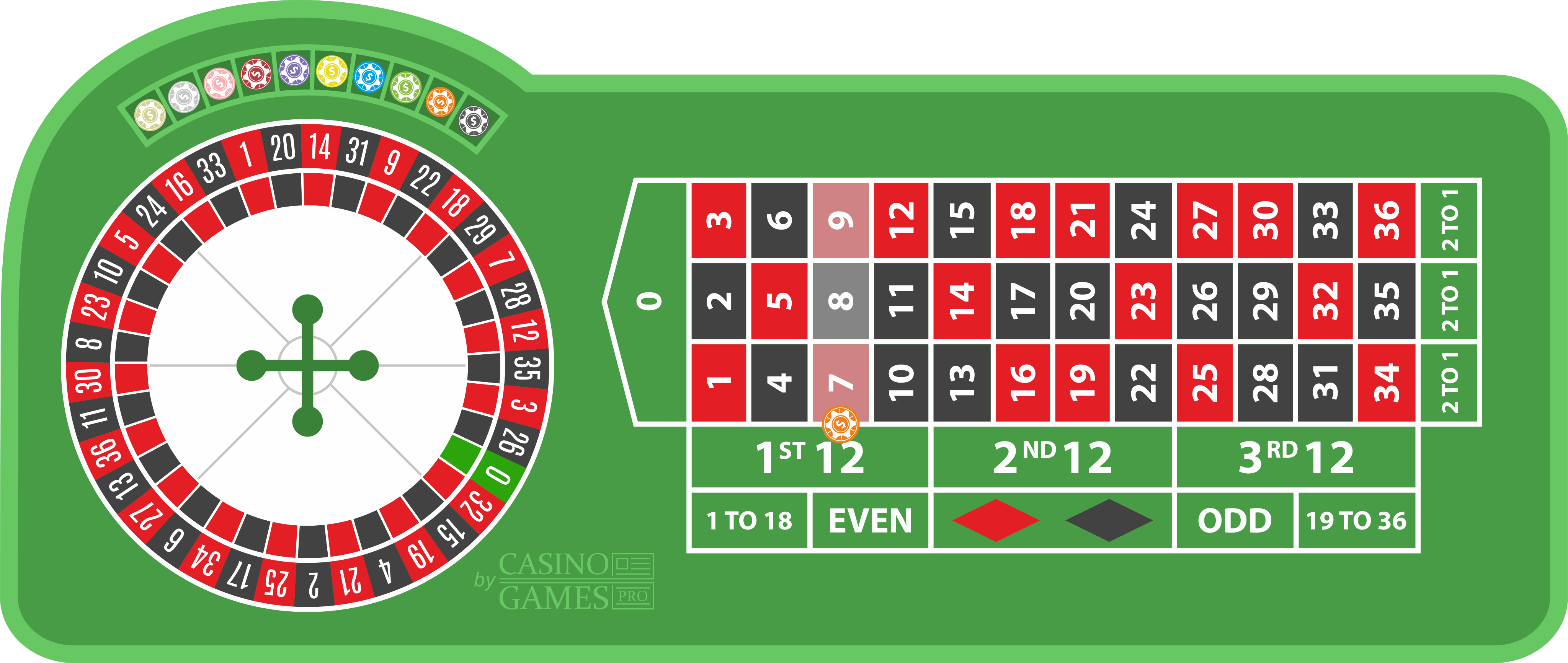
To increase your chances of winning, you can place a bet on three numbers in a horizontal row, known as a street bet. Place the chips on the outer line of the first number in the row. The payout is 11:1.
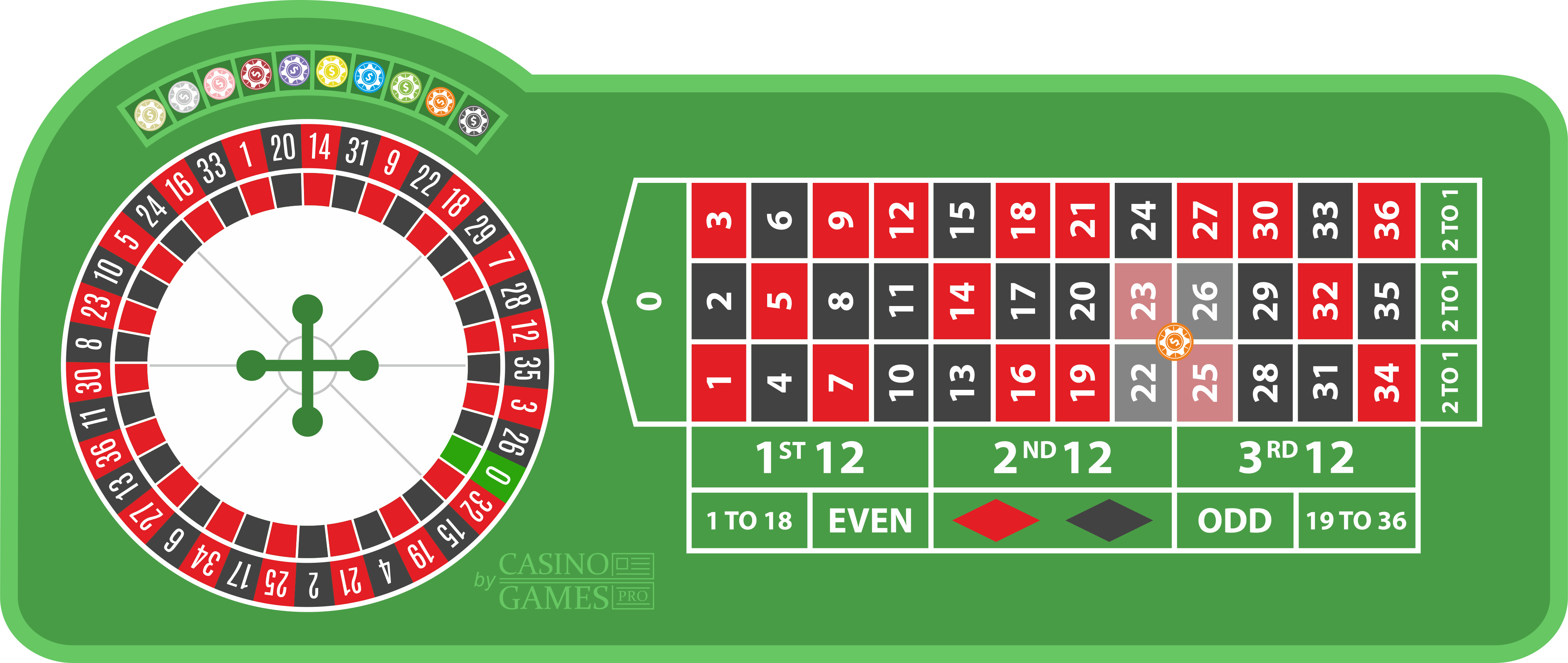
A corner bet covers a larger portion of the layout. It covers four adjacent numbers that form a square. Place the chips at the intersection of all four numbers. The payout is 8:1.
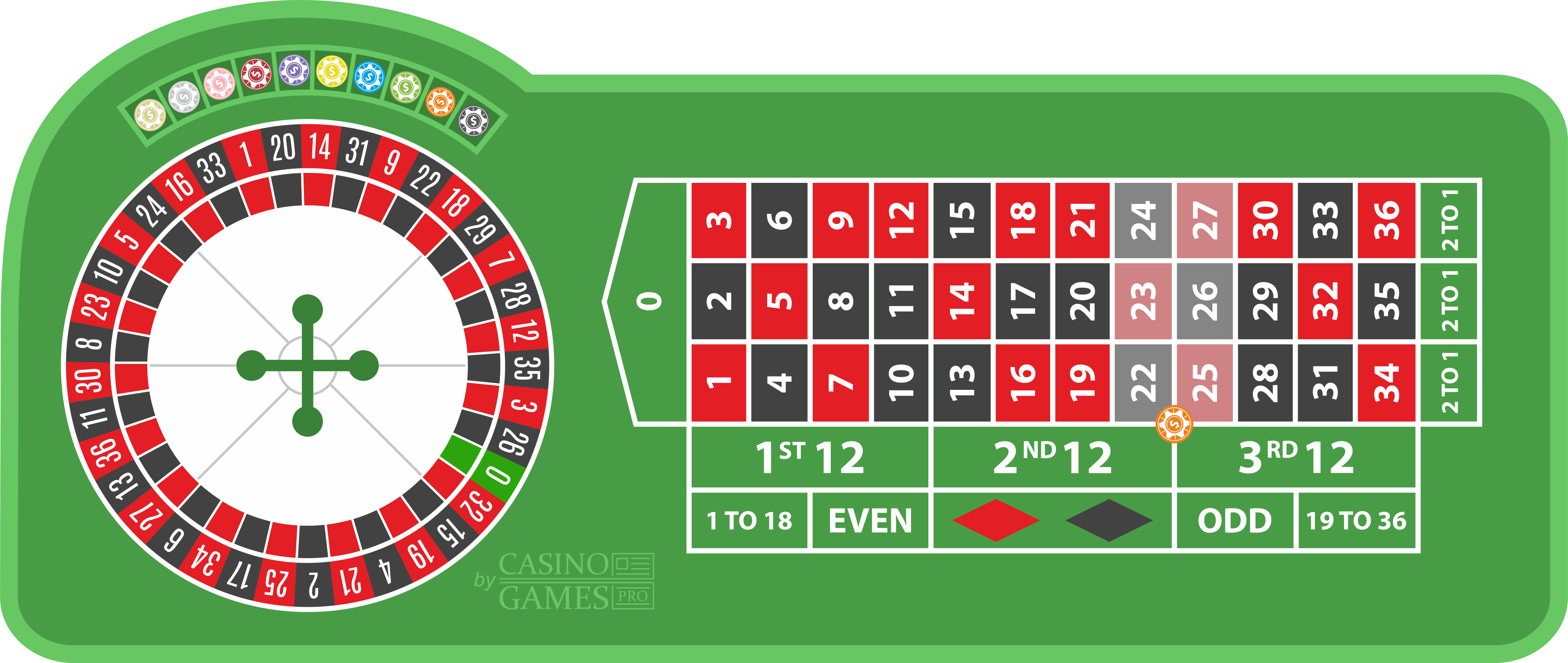
The line bet covers six numbers arranged in two adjacent rows on the layout. To make this bet, place the chips at the end of the two rows. You win if the ball lands in a pocket containing any of the six numbers. The payout is 5:1.
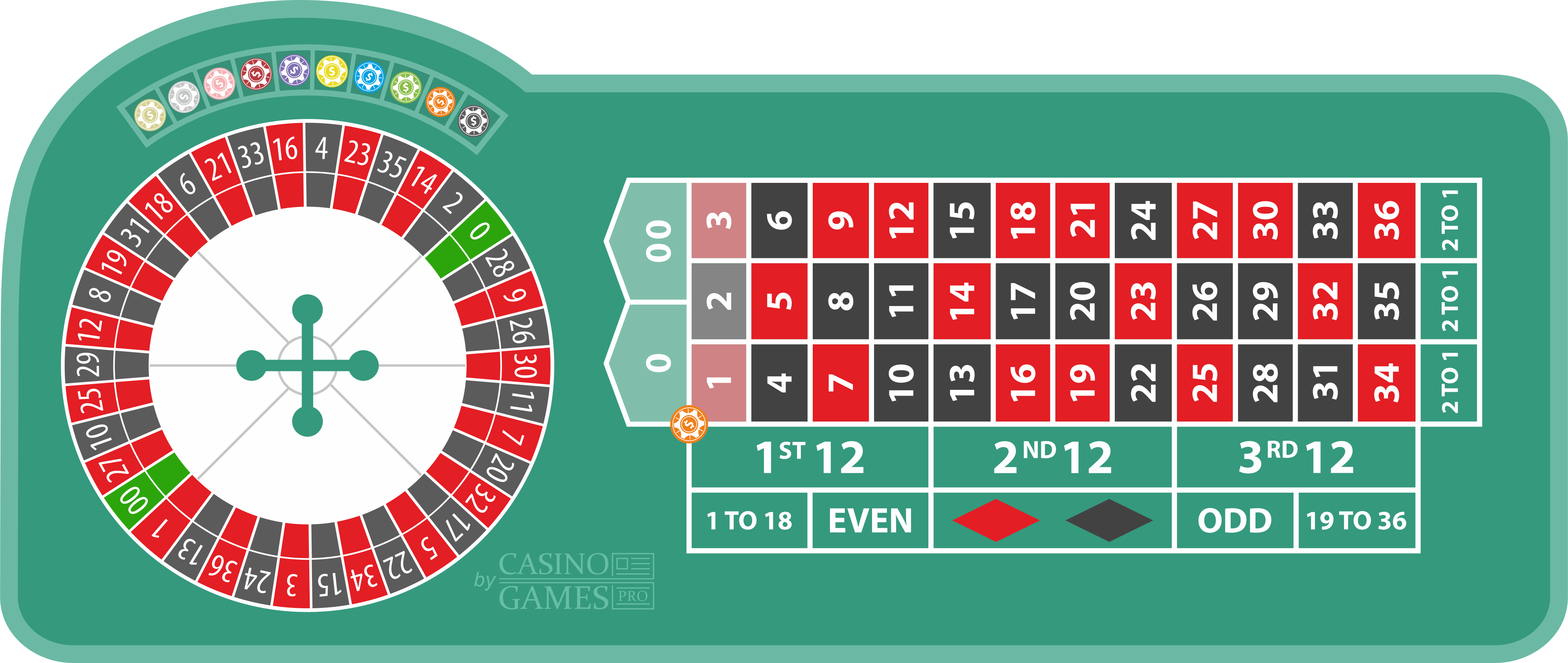
American roulette offers one additional type of bet that is not particularly advantageous for players because the house edge rises to 7.90%. This is the five-number bet, which covers only 0, 00, 1, 2, and 3. The payout is 6:1.
Outside Bets in All Variations of Roulette
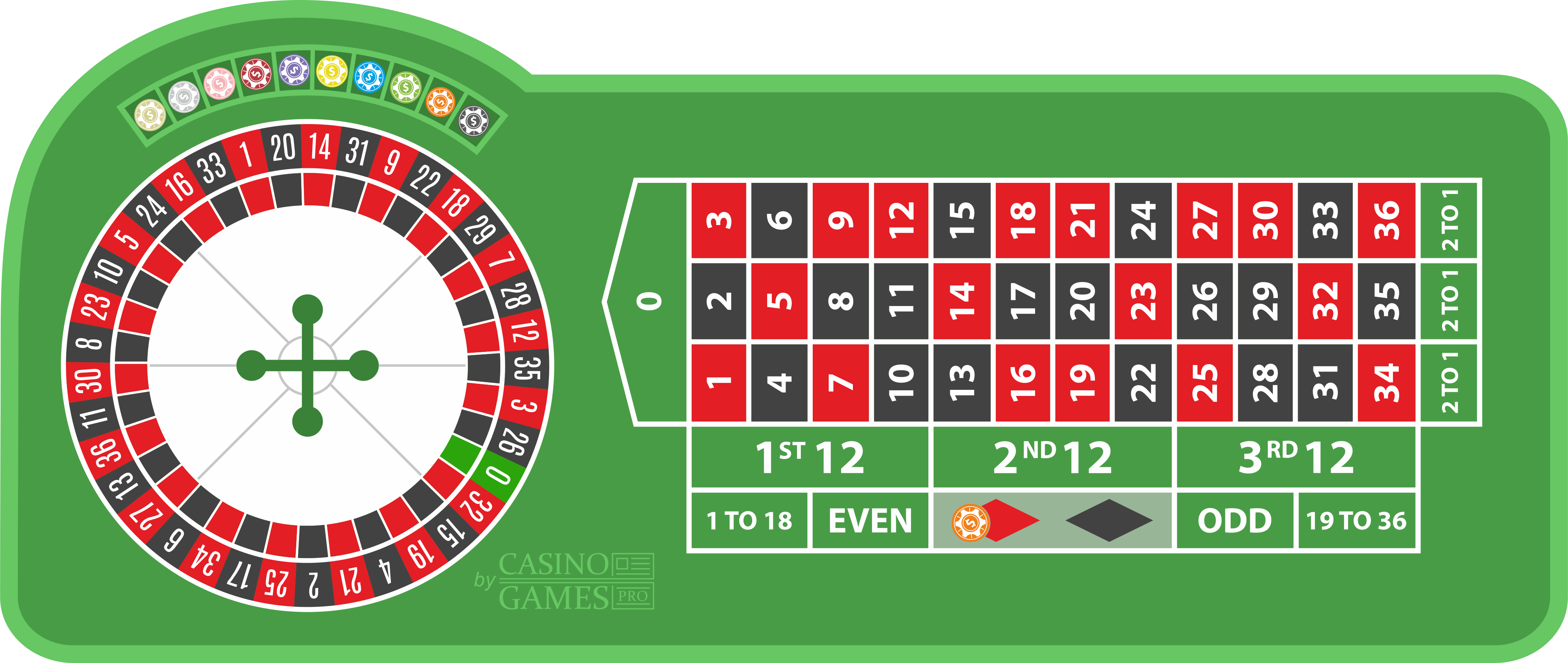
To improve their chances of winning, players can cover larger groups of numbers by placing outside bets. Most numbered pockets on a roulette wheel are either red or black, while the zero pockets are green. Players can place a bet on red or black. If a player bets on red, they win only if the ball lands in a red pocket. This wager is known as the red/black bet. The payout is 1:1.
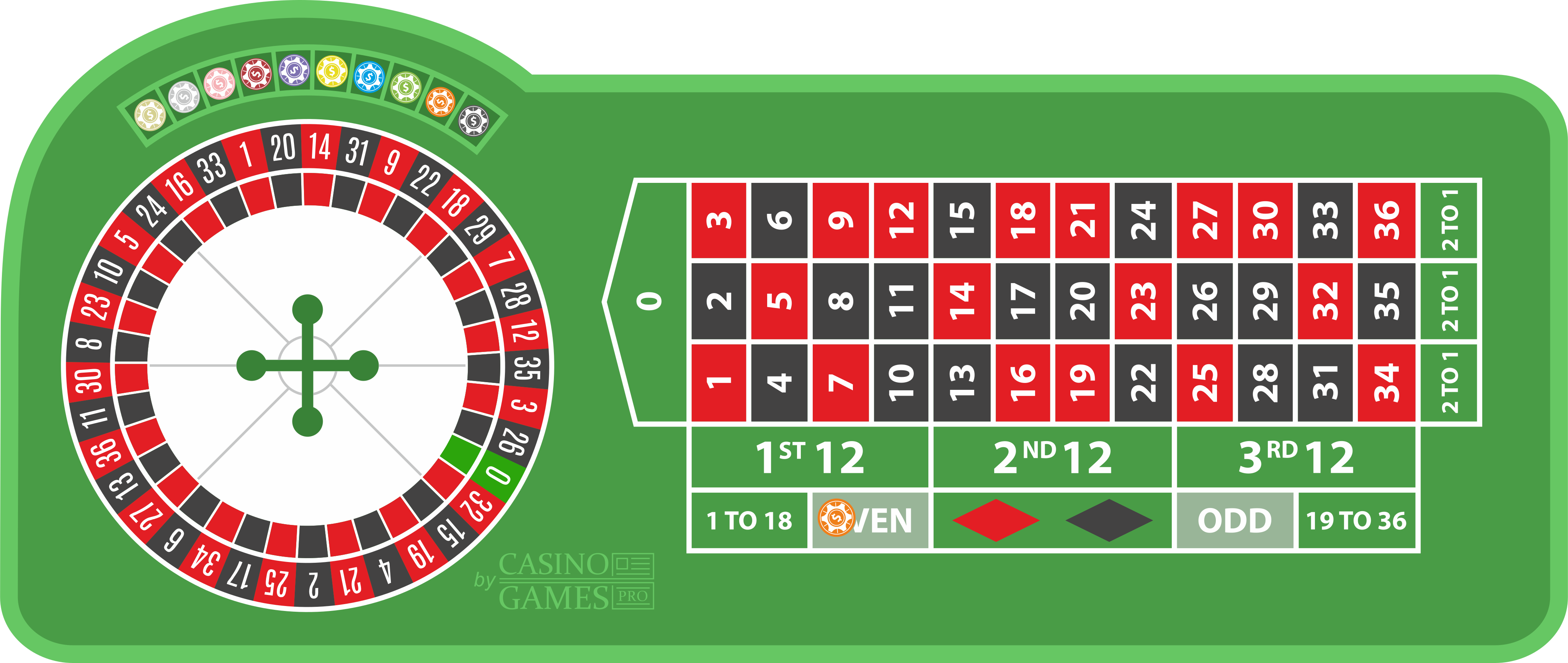
Similarly, players can bet on either odd or even numbers. The payout is again 1:1, or even money. To make this bet, place your chips on the corresponding section of the layout.
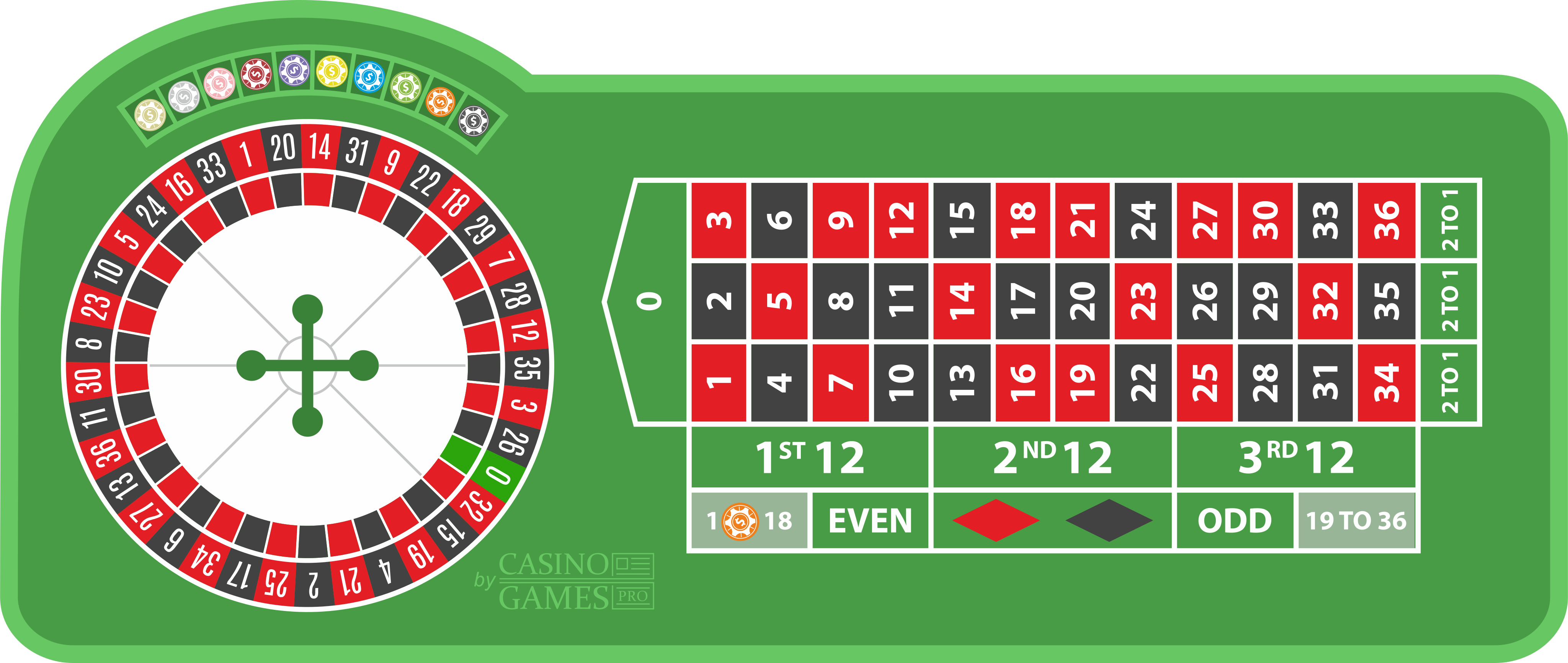
Another outside bet is the high/low wager. Here, players predict whether the winning number will fall within the range of 1-18 (low) or 19-36 (high). This wager also pays even money.
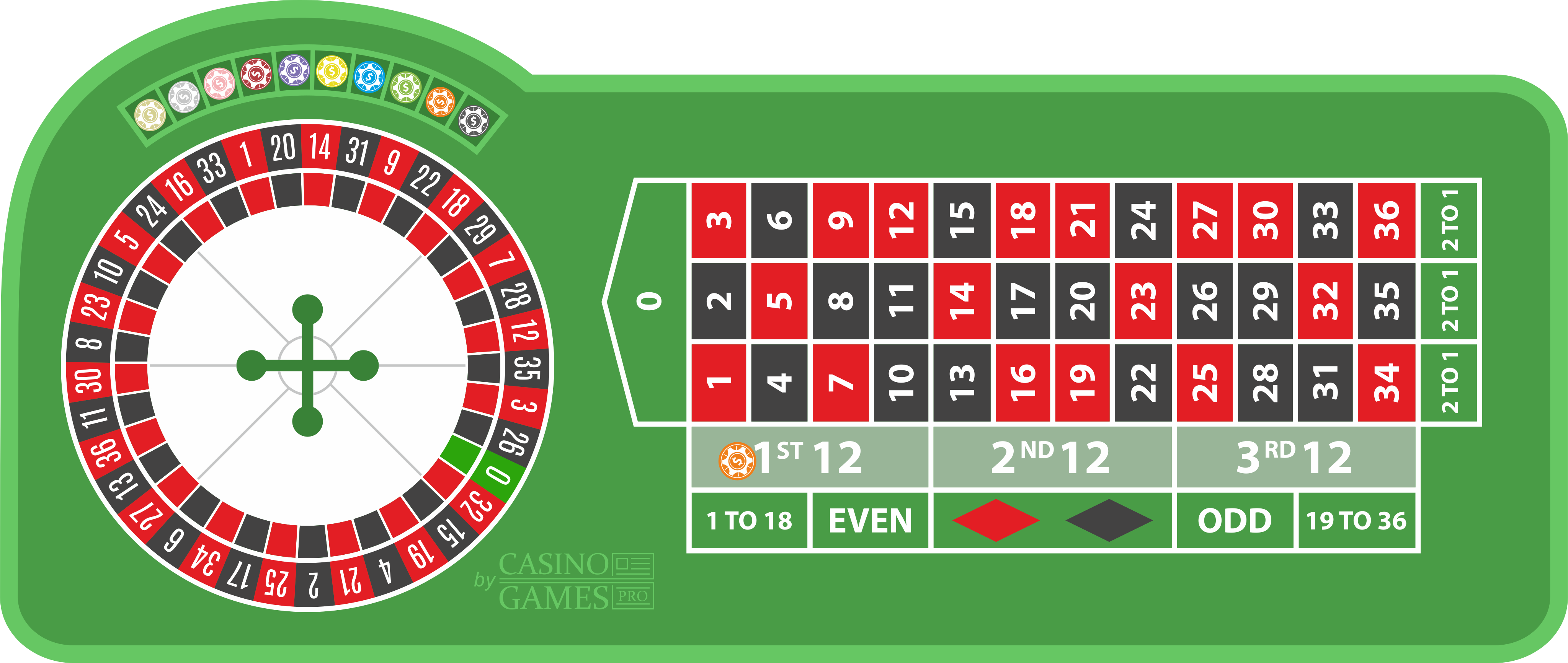
The 36 numbers on the wheel are grouped into three dozens on the layout. Each dozen contains 12 numbers, and players can bet on any of the three groups. This means that the bet covers all 12 numbers in the chosen dozen, and the payout is 2:1.
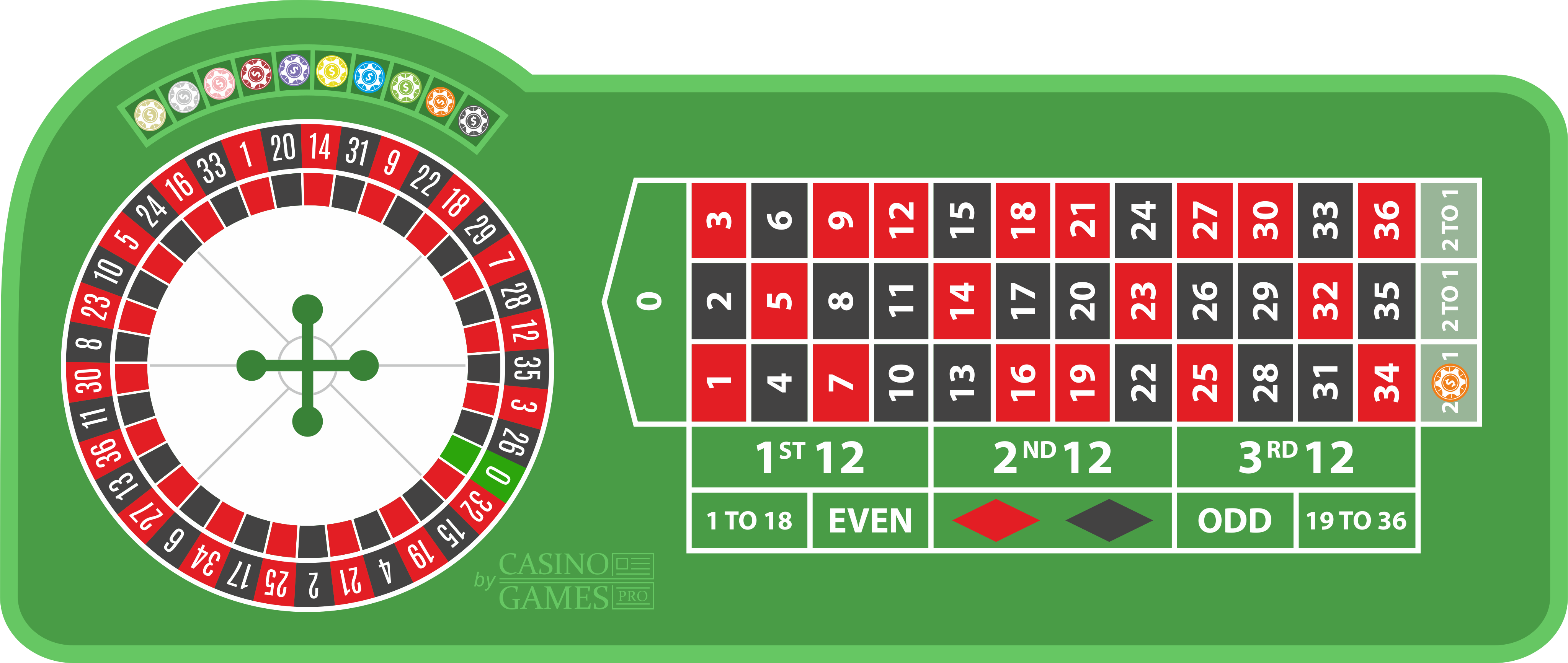
The betting section is divided into three main columns, each consisting of 12 numbers. For example, players can bet on the first column, which includes the numbers 1, 4, 7, 10, 13, 16, 19, 22, 25, 28, 31, and 34. If the ball lands in a pocket containing any of these numbers, the player wins the bet. The payout is 2:1.
Additional Bets on the French Table
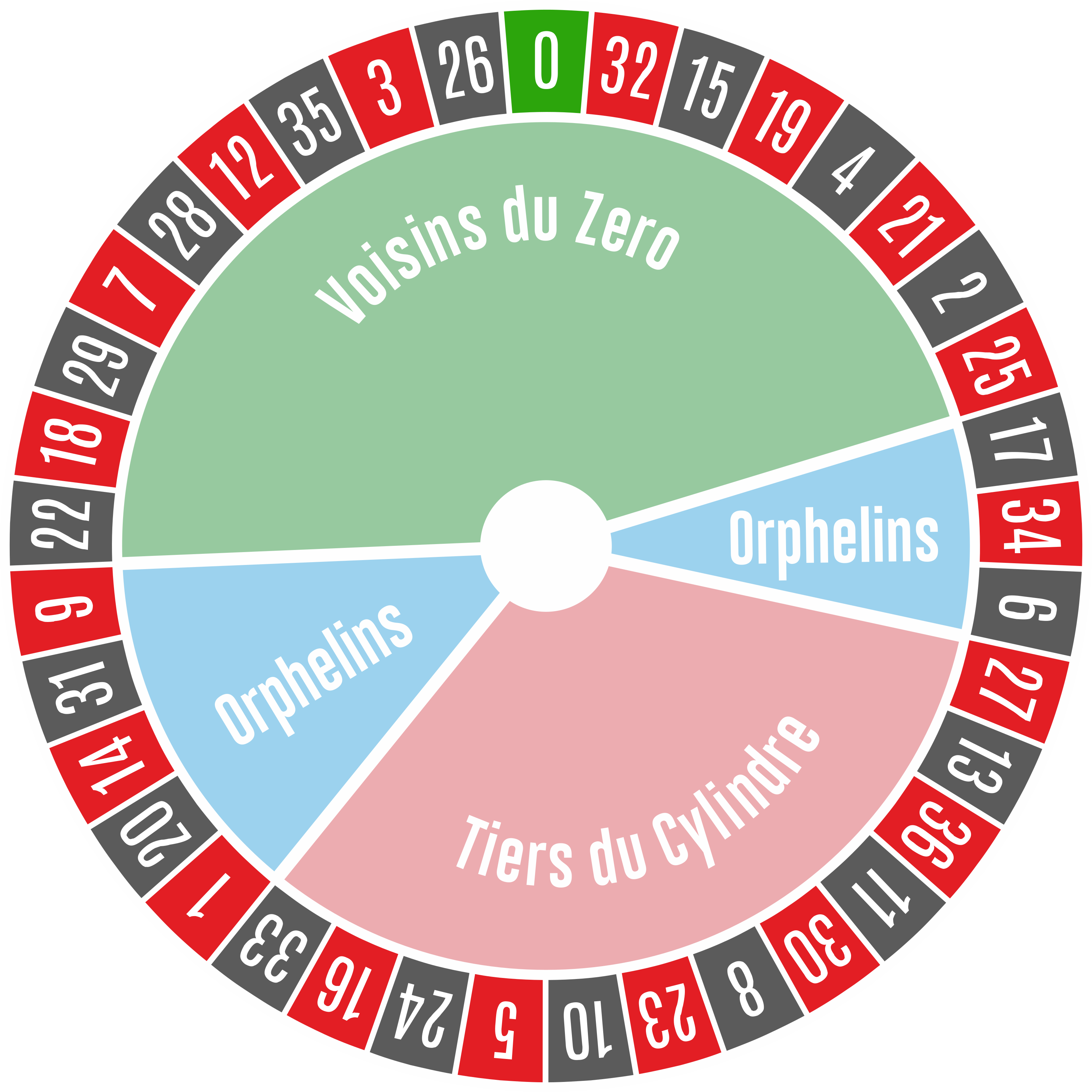 At some French-style roulette tables, call bets are also allowed. Generally, call bets include Voisins du Zéro (neighbors of zero), Tiers du Cylindre, and Orphelins. Like inside and outside bets, call bets have different payouts based on the number of pockets covered by each wager. They also provide more variety when developing an overall betting strategy.
In short, the Voisins du Zéro bet covers 17 numbers located near the zero pocket on the wheel. These numbers form a section of the wheel stretching from 22 to 25. The wager combines split, trio, and corner bets and costs 9 chips.
Tiers du Cylindre is a bet that costs 6 chips and covers the section of the wheel between 27 and 33. It consists of a series of split bets on the numbers located directly opposite the Voisins du Zéro section.
These are two opposing sets of numbers. All the remaining numbers located on both sides of the wheel are called Orphelins. They are not included in either of the two main sets, which is why the name means “orphans.” The wager can be placed as a series of split bets costing 5 chips or as straight-up bets requiring 9 chips.
A Game of Chance
 Regardless of the strategy you use, luck remains the most important factor in roulette. The simple rules help the game attract players from around the world. Over the years, people have developed numerous theories intended to beat the wheel. However, you are better served by learning how to manage your bankroll. The most practical approach is to control your spending, remain disciplined, and wager only amounts you can afford to lose.