Roulette Game Cycle
 | Updated:
 How to Play Roulette: A Guide to the Roulette Game Cycle
 Roulette offers an exciting experience for its fans. Players often feel a rush of anticipation while waiting to learn the winning number. This is why the game has become popular not only in brick-and-mortar casinos but also online. More and more people are playing this exciting game and putting their luck to the test. Of course, roulette is a game of chance, so no strategy can predict the outcome.
Although there are no guaranteed ways to win, it is a good idea to understand how the game is played. Roulette has a long history, so its rules are well established. At first glance, the game may seem unfamiliar to an inexperienced player, but its basic rules are not difficult to understand. Each player’s main objective is to predict which numbered pocket the ball will land in.
Becoming familiar with roulette’s basics, including the available types of bets, is essential for any player. You should understand the balance between risk and reward by learning about the specific roulette table you choose and its associated equipment. Read on to learn more about roulette etiquette and some basic tips for playing this popular casino game.

-
 Sign Up Bonus
Up to $3500
350% Bonus!9.7 -
Sign Up Bonus
Up to $500
400% Bonus!9.4 -
Sign Up Bonus
Up to $3000
300% Bonus!9.3







The Roulette Table
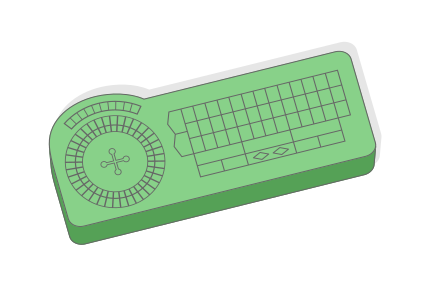 Even if you have never entered a casino, roulette is easy to recognize. The spinning wheel has become an iconic symbol of the game. The wheel consists of two main parts: the outer section, called the bowl, and the inner section, called the wheelhead. Every wheel contains numbered pockets covering the numbers from 1 to 36, arranged in nonconsecutive order. An American wheel has 38 pockets because it includes both a zero and a double-zero pocket, while European and French wheels have 37 pockets and only one zero pocket. The numbered pockets are alternately colored black and red, while the zero pockets are green. The dealer tosses a ball in the direction opposite the wheel’s rotation, and the winning number is determined when the ball lands in one of the pockets.
Besides the wheel, the table includes a betting layout where players place their bets. The dealer, also called a croupier, manages the layout. American and European tables are usually arranged in a similar way. The American layout, however, includes a second zero pocket. On some French tables, the wheel is positioned in the middle of the layout.
Every layout consists of two sections: the inside section, which contains all the numbers on the wheel, and the outside section, which consists of different betting categories. In the American and European variations, the outside betting section is positioned along the same long side of the table. On a French table, however, the outside section is split between the two long sides, allowing more players to access it.
Before You Start Playing
 Choose a position that gives you easy access to the available betting sections on the layout. For this purpose, a central position at the front of the table is often convenient. Once you are in a suitable position, you need to obtain chips for the game.
Getting the Chips
 Players can buy chips directly from the dealer or the cashier. Each player’s chips come in a different color to prevent confusion during gameplay. Once everyone has placed their chips on the table, the bets could otherwise be mixed up, making it difficult for the dealer and players to keep track of them. At the beginning of a betting session, players can assign a value to the chip color they have selected. To avoid confusion, newcomers are advised to choose a clear, manageable denomination for their chips.
Once players have selected the color they want to use during the betting session, a chip is positioned on a rail next to the roulette wheel, and a marker indicates the value assigned to that color.
Players may use regular casino chips, but only when a limited number of people are playing and confusion is less likely.
The roulette table also has several other components that players should understand. One of these is the win marker, which indicates the winning number. As soon as the white ball lands in a pocket, the dealer moves the win marker, also known as the dolly, to the corresponding field on the layout.
Once the dolly is placed on the betting layout, players may not remove their chips or place new bets until the dealer has collected the losing bets and paid the winning bets. The dealer collects losing bets using either a rake or their hand. Players may collect their winnings and place new bets only after the dealer removes the marker from the layout.
The rake is another piece of roulette table equipment, and it is usually used in brick-and-mortar casinos in Europe. It is also called a roulette râteau, and the dealer uses it to remove losing bets from the table. Rakes are not usually used in American casinos, where the dealer collects losing bets by hand.
The small white ball is another crucial piece of roulette equipment. In the past, roulette balls were made of ivory or wood, but casinos now use balls made of Teflon, nylon, or phenolic resin. These materials can affect how the ball behaves and bounces. Roulette balls also come in several sizes, and the most widely used are ¾-inch and ⅝-inch balls.
The Start of the Game
 The first step in a game of roulette is placing your bets. When playing online roulette, the interface indicates how long the betting window remains open. In a casino, you must place your bet before the dealer announces, “No more bets.” This is usually said when the ball begins to slow down. To place a bet, put your chips on the number, group of numbers, or section you want to cover. If a bet consists of more than one chip, place the chips in a stack. Before betting on the next spin, wait until the croupier has paid the winning bets, collected the losing bets, and removed the win marker from the layout.
Every table has different minimum and maximum betting limits, which are usually displayed on a small sign. The wording may differ between casinos, but the limits serve the same purpose.
Understanding these limits is essential because every wager must meet the table’s requirements. Minimum bets may be fairly low, sometimes around $5. Note that you cannot combine inside and outside bets to meet the minimum. For example, if the minimum bet is $5, you cannot place $2.50 on inside bets and $2.50 on outside bets to meet it. However, you may place multiple bets, including both inside and outside bets, as long as they comply with the applicable limits. Inside bets are less likely to win, but they offer much higher payouts.
The same principle applies to maximum bets. However, each type of bet may have a different maximum limit. Generally, the limit on inside bets is lower because their potential payouts are much higher. This allows the casino to limit its exposure to large single-spin payouts.




Types of Bets
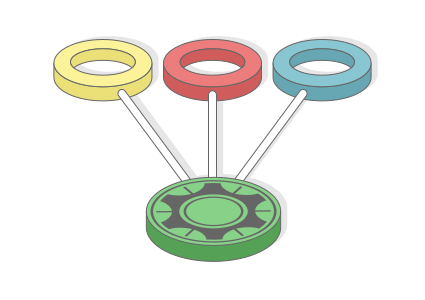 Generally speaking, there are two main types of bets common to all three variations of the game. As mentioned above, the betting layout consists of two sections representing the so-called “inside” and “outside” bets.
Outside Bets
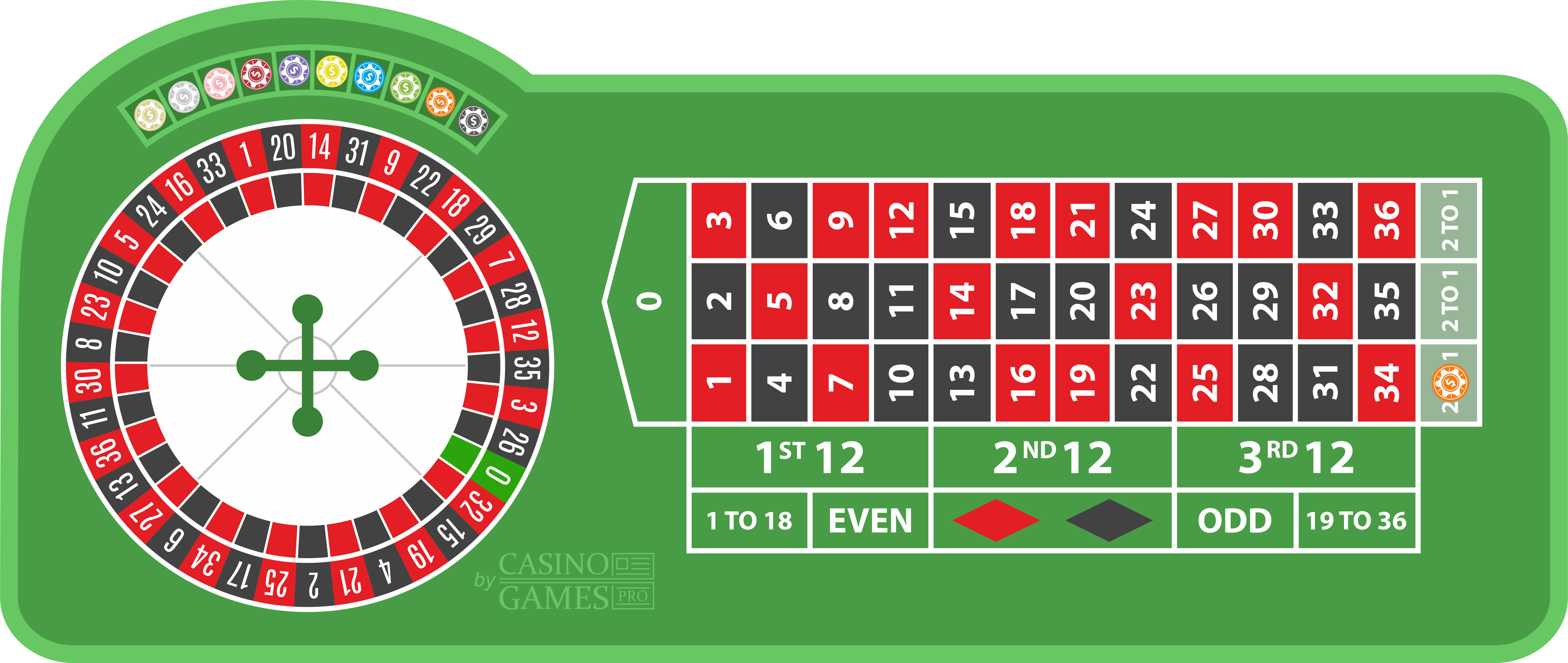
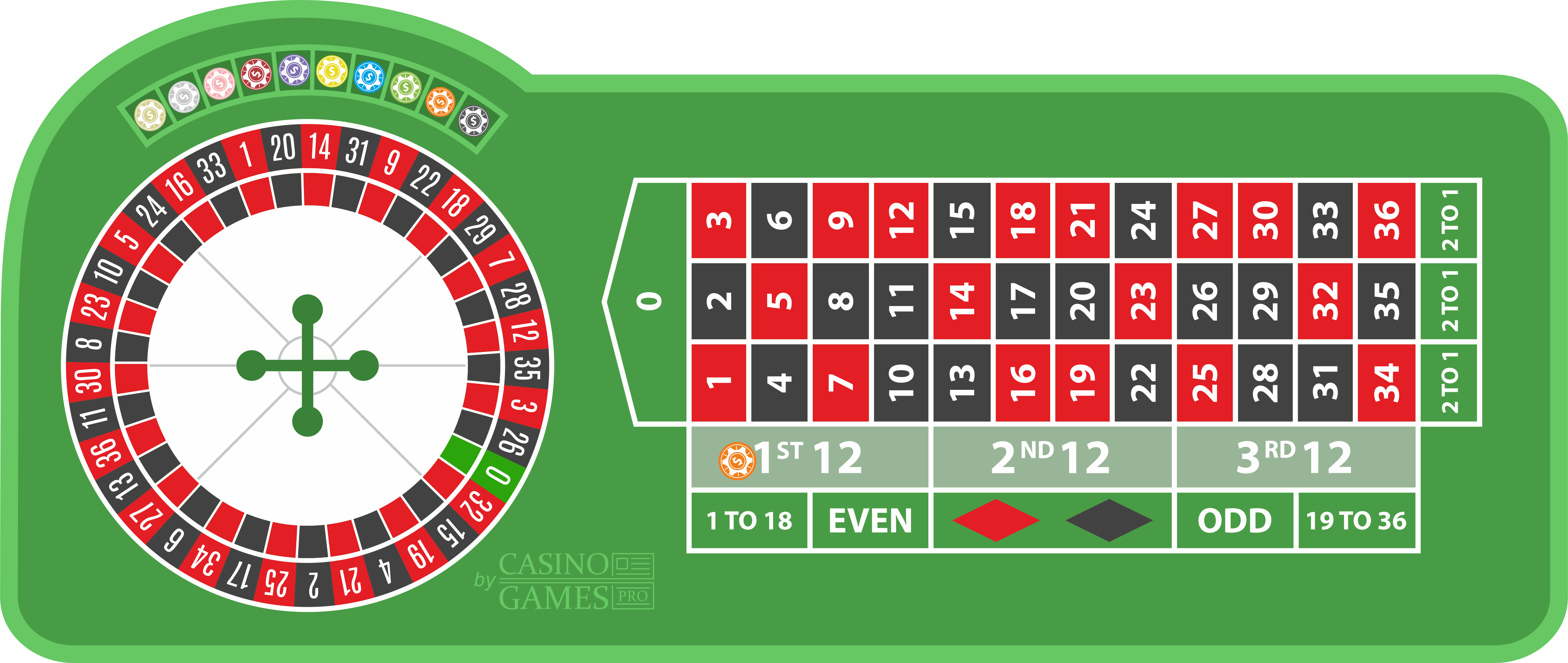
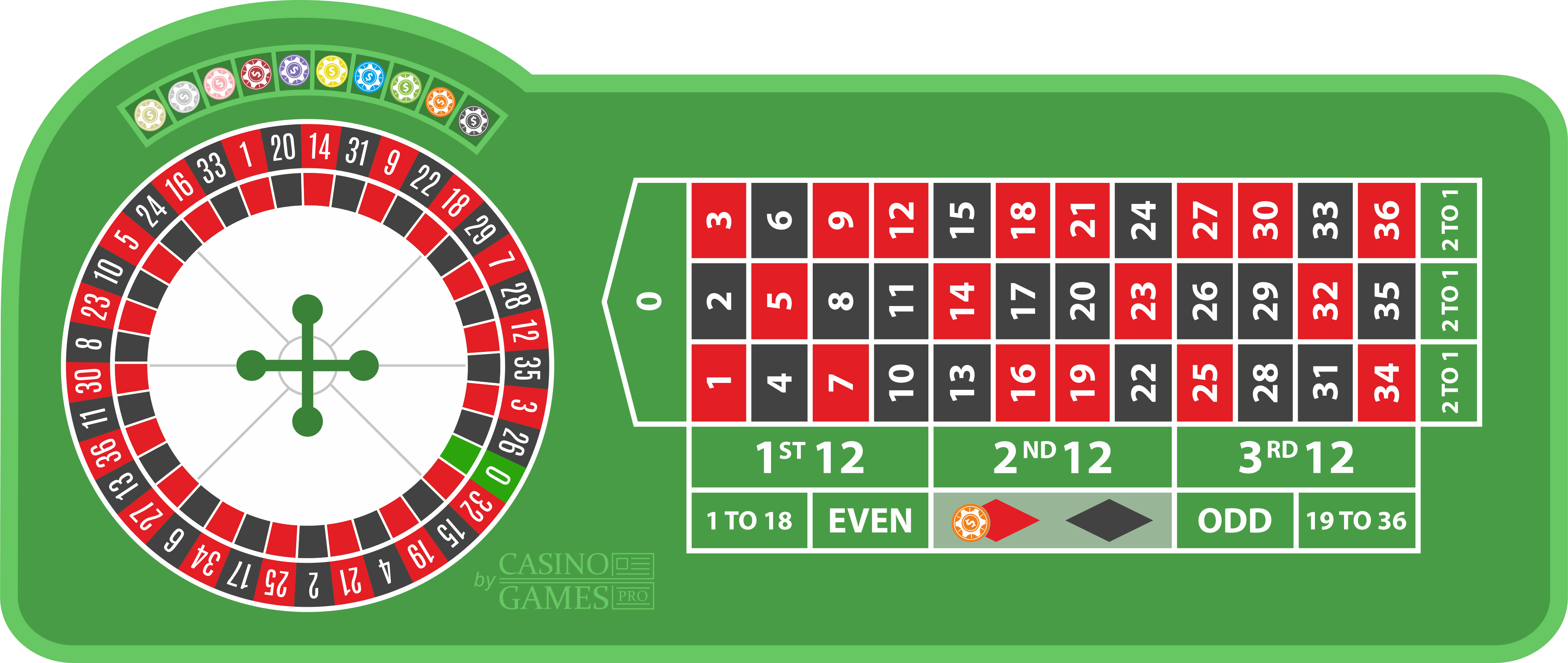
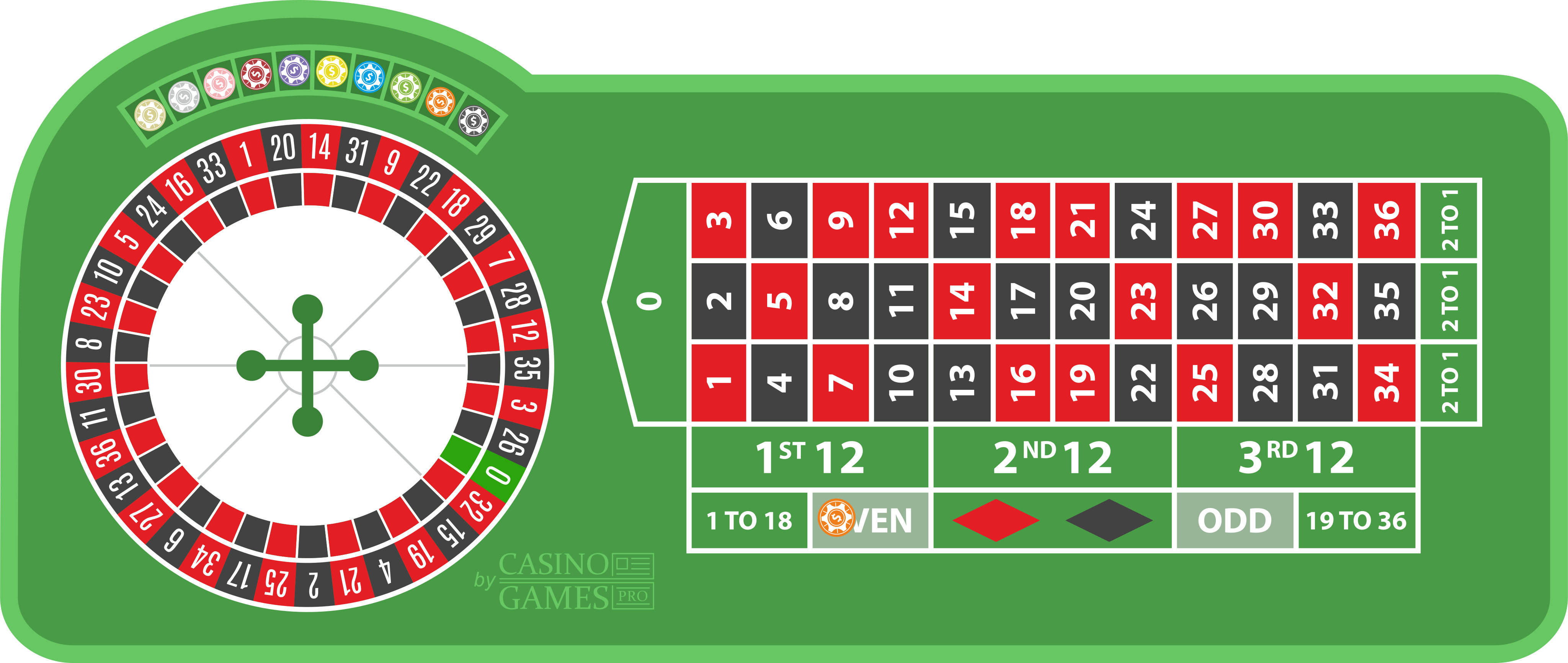
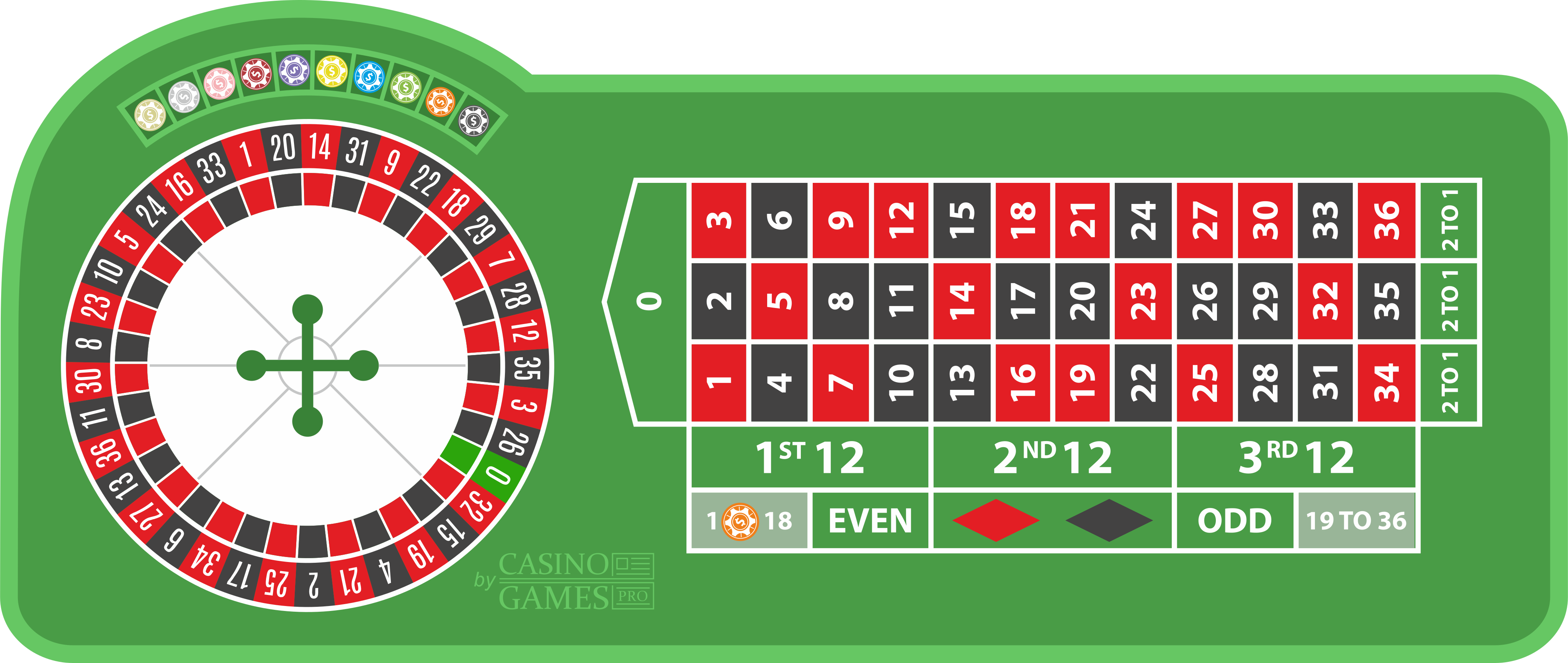
Outside bets are more likely to win and therefore offer much lower payouts. Outside bets include 1-18 (pays 1:1), 19-36 (pays 1:1), red or black (pays 1:1), dozen bets covering 1-12, 13-24, or 25-36 (pays 2:1), even or odd (pays 1:1), and column bets. Outside bets cover larger groups of numbers, so they offer lower payouts than inside bets. For example, a successful $5 bet on black would produce a $5 profit, while a successful $5 straight-up bet would produce a $175 profit.
Inside Bets
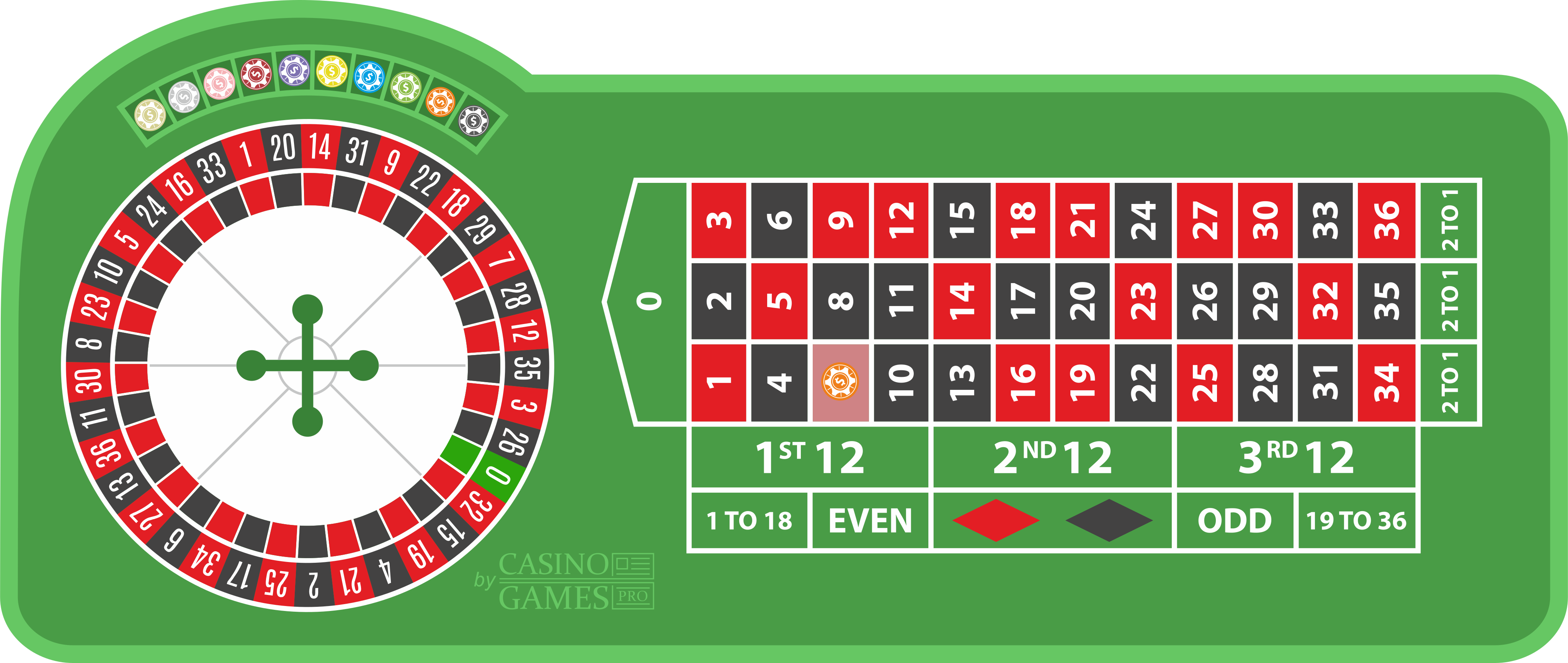
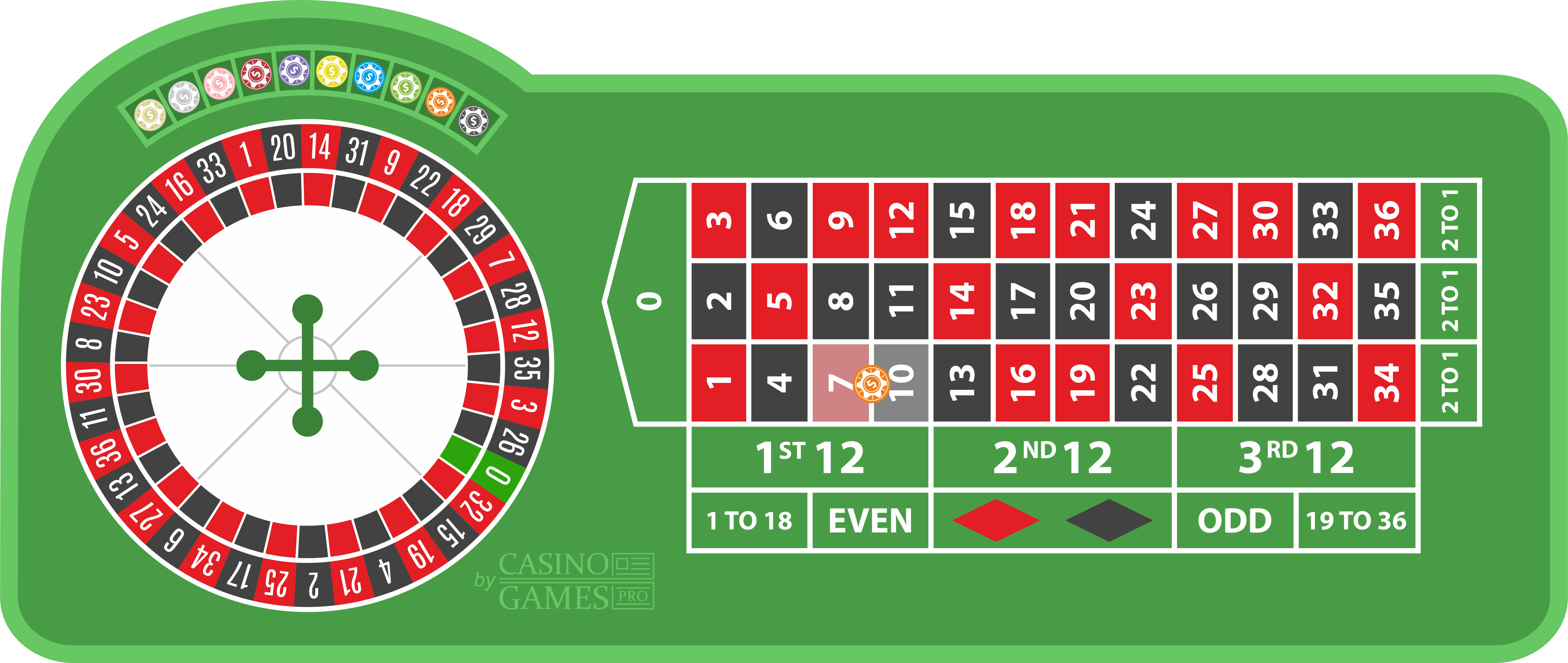
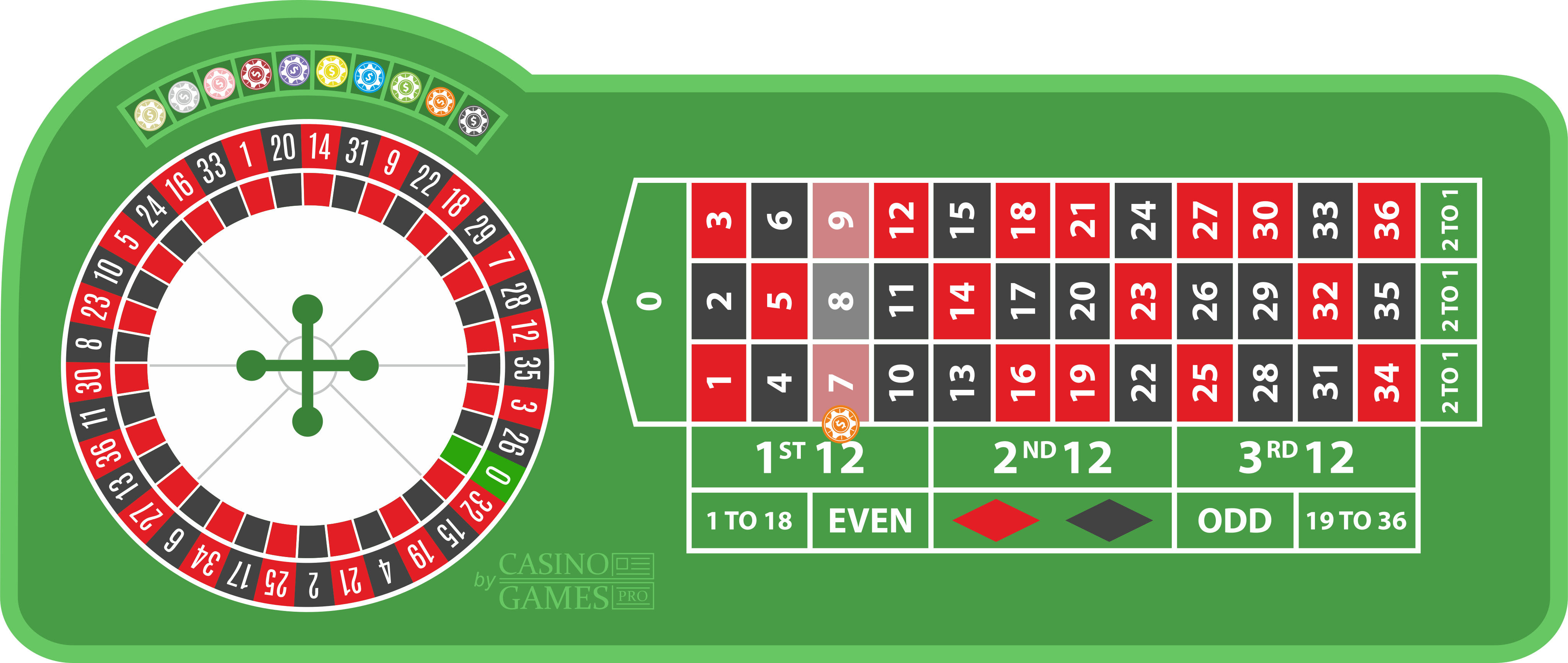
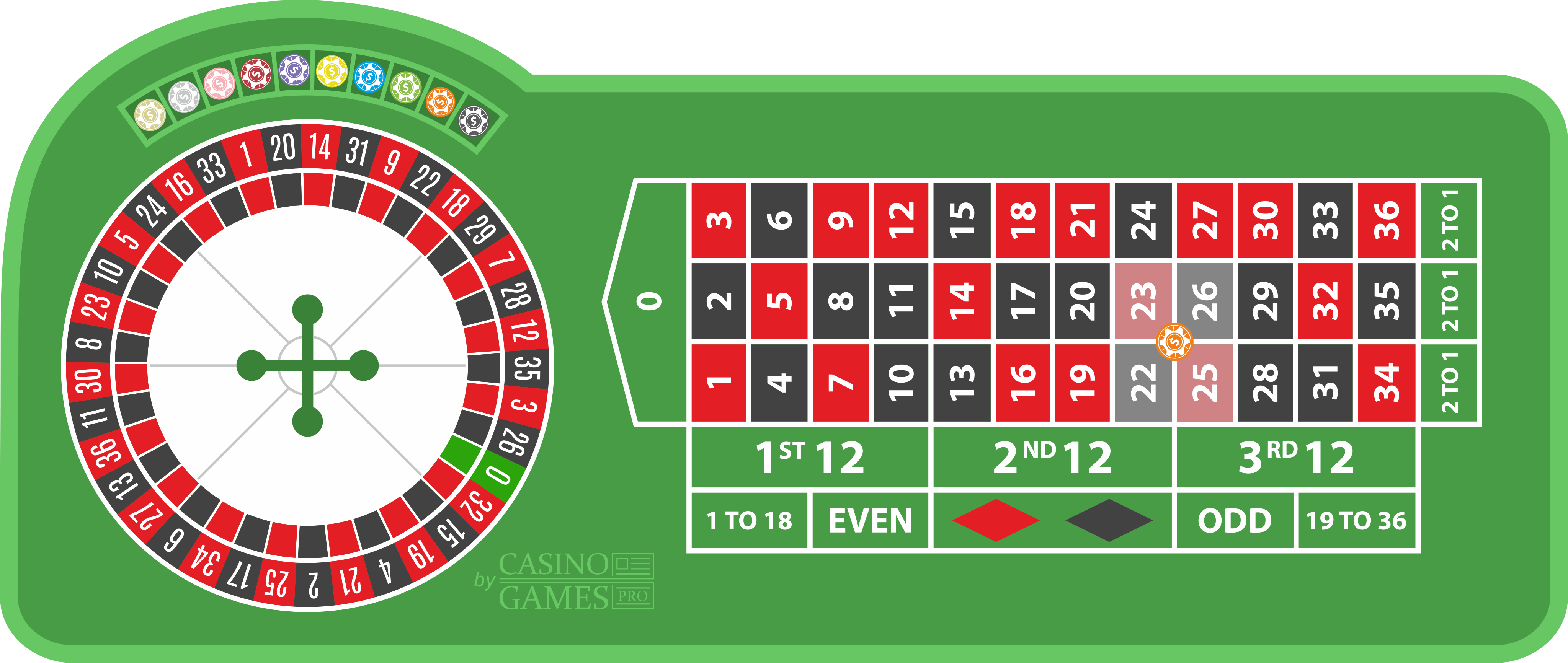
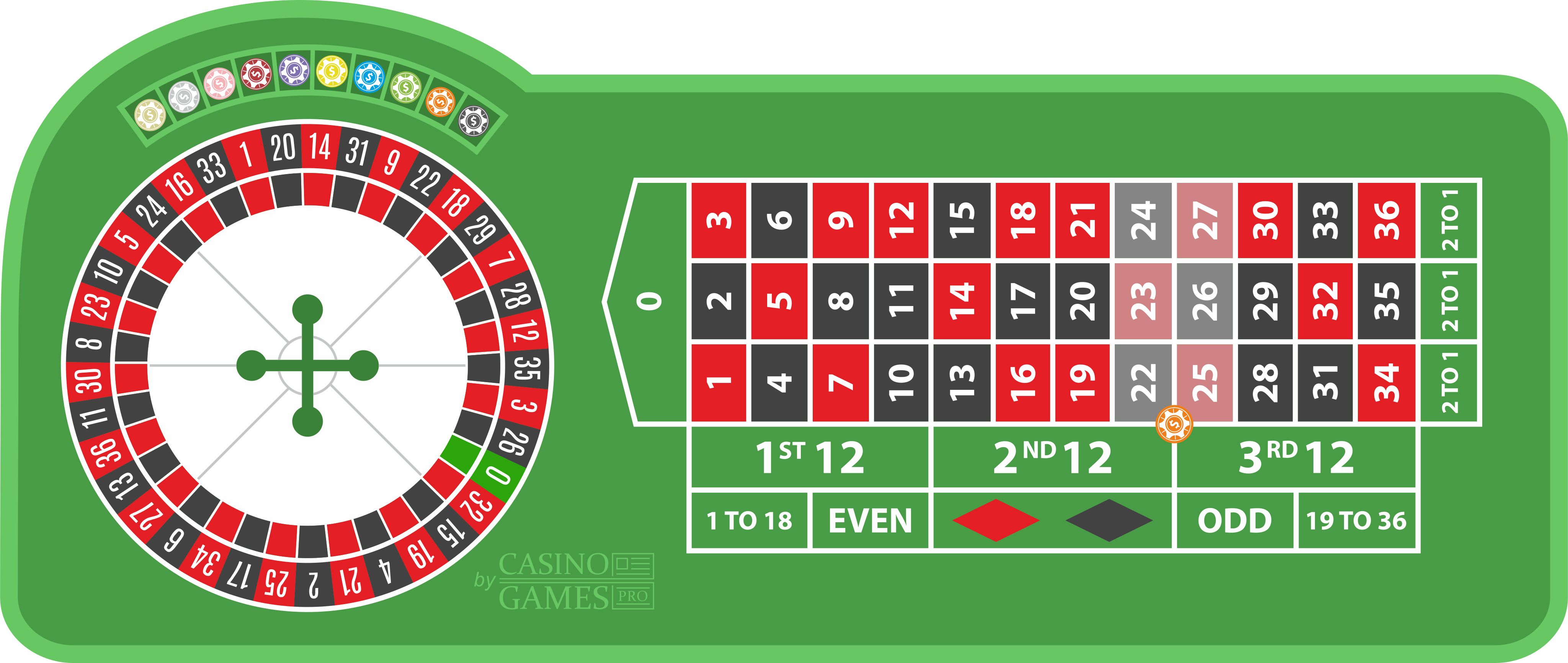
There are many inside bets to choose from, but straight-up bets covering one number, split bets covering two numbers, and street bets covering three numbers are the most common. These bets cover a specific number or combination of numbers, with chips placed in the appropriate position within the inside section of the layout. Depending on the type of bet, a chip can cover between one and six numbers. In general, the more numbers a bet covers, the lower its payout.
Special Rules
 Some casinos apply rules that reduce the loss on an even-money bet when the ball lands in a zero or double-zero pocket. These rules depend on the casino and the specific table, so players should review them before betting. The following sections briefly describe these rules.
En Prison Rule
When the winning number is 0, this rule allows players to leave the entire bet in place for the next spin without changing it. This is why it is called “in prison”: the player cannot change the initial bet. If the winning number is 0 again, the bet is lost. Otherwise, the bet wins or loses according to the usual rules of the game. This rule reduces the house edge from 2.70% to 1.35%, which benefits the player.
Le Partage
This rule applies when the winning number is 0 and allows the player to keep half of the bet while the house takes the other half. The house edge is again reduced to 1.35% for even-money outside bets.
These two rules are closely associated with French tables, but they also apply at some European tables. Before taking a seat at a roulette table, make sure you understand the specific rules governing it.
The Surrender Rule
This rule applies at American tables and is similar to the Le Partage rule, except that it applies when the winning number is either 0 or 00. It halves the house edge from 5.26% to 2.63%.
Roulette Etiquette
 Understanding the proper roulette betting procedure is essential if you prefer playing at a brick-and-mortar casino. Good timing is particularly important. After obtaining your chips, wait until the dealer has paid the winning bets and cleared the losing bets from the previous round. Once the betting layout is clear and the win marker has been removed, you can place your bet. If you are unsure whether betting is open, ask the dealer.
Players should remember that handing cash directly to the dealer when buying chips is against casino rules. Instead, place the money on the table and slide it forward. Another important rule for newcomers is that chips are the only personal items that should be placed on the betting layout. Drinks should remain on the table railing.
Once you have joined the table, be prepared to place your bet without causing unnecessary delays. To avoid missing the betting window for the next spin, choose your bet type and decide how much you want to stake while the dealer settles the wagers from the previous round. As noted above, players may place their bets only after the marker has been removed from the winning number for the previous round.
If you hear the dealer announce “No more bets,” you must wait until the next round to place your preferred bet.
If the betting position you want to reach is too far away and you need the dealer’s assistance, communicate your request clearly. Once you have the dealer’s attention, do not toss your chips across the table. Instead, slide them forward and clearly state which bet you want to place.
Tipping the dealer is optional and may depend on local casino customs, the length of your betting session, and your personal preferences.
Finally, remember to be considerate of the other players at the roulette table. This is an important rule of casino etiquette that many newcomers overlook.
Basic Tips for Playing Roulette
 When you first approach a roulette table, remain disciplined and do not let the excitement influence your decisions. Start by buying chips from the dealer. The best time to do so is after the croupier has finished making payouts and removed the win marker.
Place your bets responsibly, and wager only amounts that meet the table limits and fit your budget.
When you decide to leave the table, remember to exchange your roulette chips. Do not take colored roulette chips away from the table.
Roulette depends entirely on luck, but proper money management can help you control your spending. New players may prefer to practice online, where there may be fewer distractions and less pressure than at a busy casino table.
FAQ:
Every roulette game kicks off with players selecting their seats and buying chips. Aim for a spot that grants easy access to the entire betting area. Purchase your chips either from the dealer or the cashier, ensuring they’re distinct in color to avoid mix-ups on the table. Remember, choose chips you’re comfortable with as this will set the pace for your game.
Inside bets are your high-stakes, high-reward choices, placed on specific numbers or small groups of numbers within the layout’s inner section. Outside bets, on the other hand, cover larger portions of the wheel, offering better odds but smaller payouts. They include options like red/black, odd/even, and high/low, making them ideal for cautious strategizing.
Yes, if you play roulette in a land-based casino, you can place bets even after the wheel starts spinning but only for a short window of time. You can place your bets from the moment the round begins until the dealer announces “no more bets,” as the ball begins to slow down and is about to settle in a pocket. This is your cue to finalize your wagers. Timing is crucial, so listen for the dealer’s call to avoid missing out.
Each table has minimum and maximum bet limits, clearly displayed. These limits ensure bets are within a set range, preventing extremely low or high wagers. Remember, inside and outside bets usually have separate limits, so plan your strategy accordingly to maximize your gameplay without hitting the table cap too quickly.
Definitely! Always wait for the dealer to clear previous bets and pay out winners before placing your new bets. Avoid touching chips or leaning on the table once “no more bets” is called. If the betting section where you want to place your chips is hard to reach, communicate your wager wish with the dealer rather than tossing your chips across the table. Lastly, consider tipping the dealer as a gesture of goodwill, especially after a winning streak or a lengthy play session.