Roulette
 | Updated:
 Introduction to Roulette
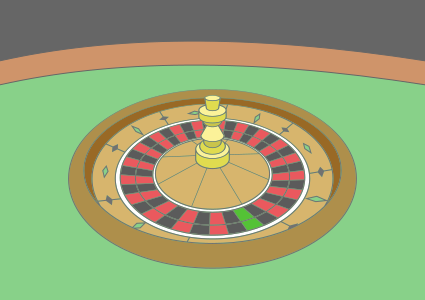 Roulette is a game that has become a symbol of the gambling industry. Few people can think of a casino without recalling the iconic red-and-black wheel. Casino scenes in movies also often focus on the roulette table. One reason may be that roulette is among the oldest games played in casinos. The image of the roulette wheel has become iconic throughout the gaming industry.
This guide covers basic roulette concepts that can benefit both novice and experienced players. From roulette’s history and most popular variations to its diverse bets and systems, we aim to provide a comprehensive introduction to this popular game of chance.

-
 Sign Up Bonus
Up to $3500
350% Bonus!9.7 -
Sign Up Bonus
Up to $500
400% Bonus!9.4 -
Sign Up Bonus
Up to $30000
100% Bonus!9.3







A Brief Historical Overview
 Exploring the history of roulette takes us back to 17th-century France. The story begins with the development of the wheel. The person credited with this achievement was the French mathematician and physicist Pascal. His main intention was to create a machine capable of perpetual motion. Fortunately for roulette fans, his attempt failed.
Although various theories about the true origin of the game exist, the available evidence indicates that France is the birthplace of roulette. The French brothers François and Louis Blanc developed the concept further, following the wheel’s design and helping to shape the game now known as roulette. The name of the game is fitting, as it means “small wheel”. The roulette wheel originally featured a single-zero pocket before the game crossed the Atlantic.
The game encountered many obstacles before capturing the attention of players around the world. Roulette was denounced many times and even declared illegal in its birthplace. This was one of the reasons the game spread elsewhere in Europe, where it was welcomed more openly.
Thanks to French immigrants, the game made its way across the Atlantic to America. It appeared in New Orleans and spread further during the Gold Rush. The game’s low profit margin posed a problem for casino owners, so a second zero pocket was added to the American wheel to increase the house advantage.
Roulette later regained popularity in Europe as gambling restrictions were eased and a casino was built in Monte Carlo. Roulette took centre stage, and the tables soon became crowded. The casinos of Monte Carlo embraced the wheel as a symbol of casino culture.




The Rise of Roulette Variations
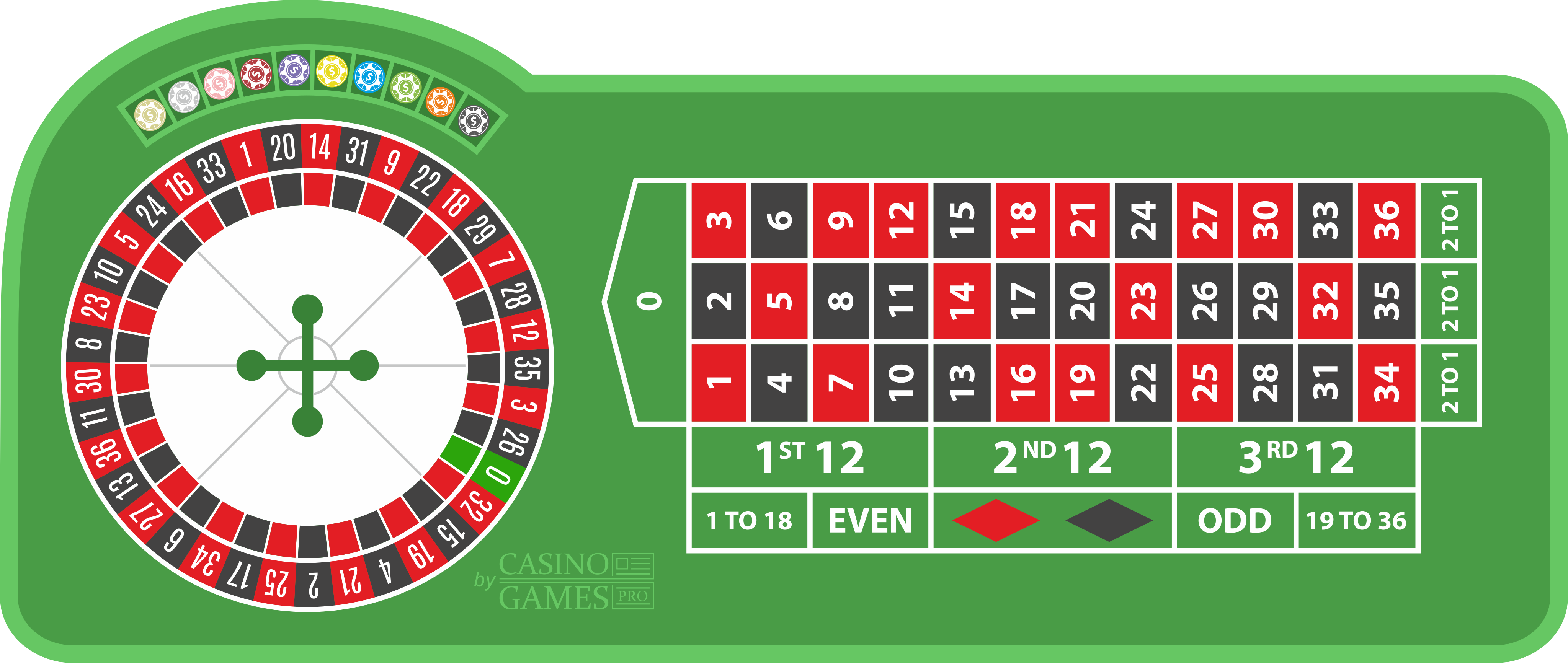
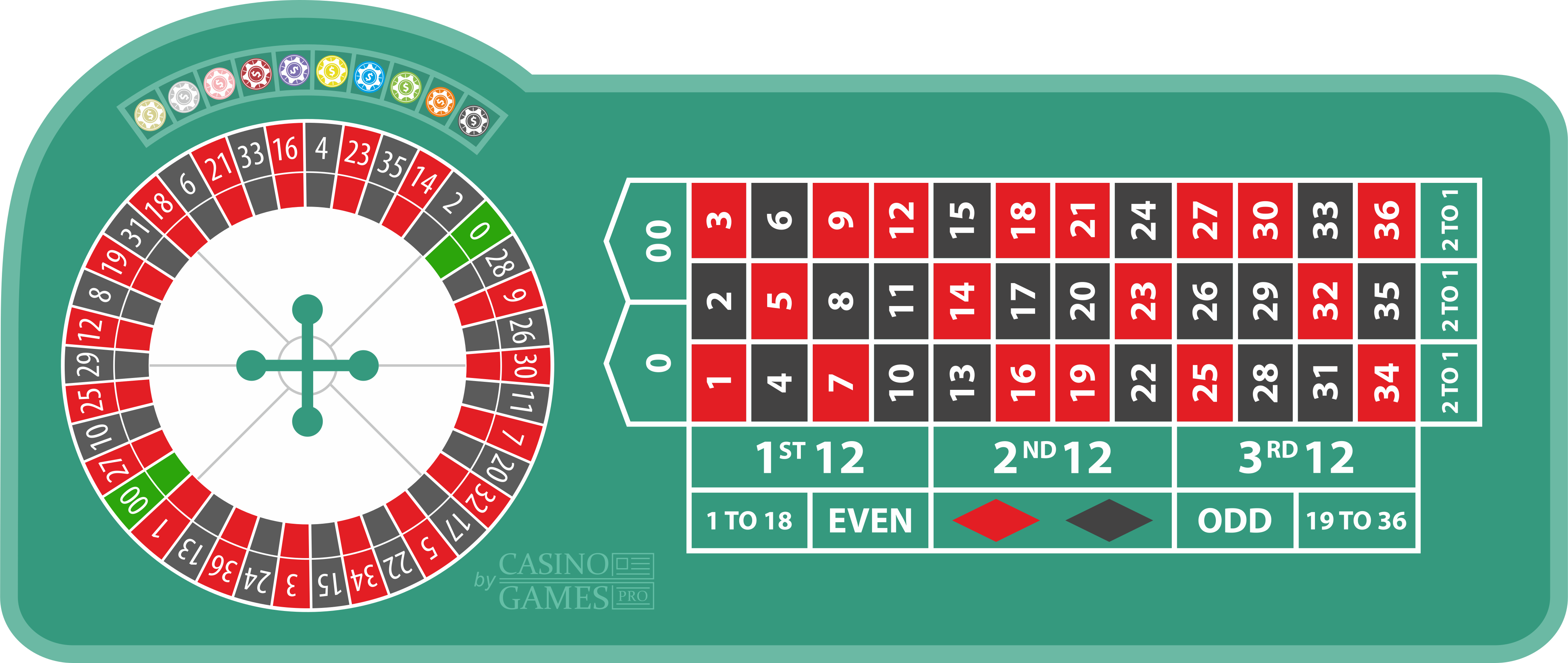
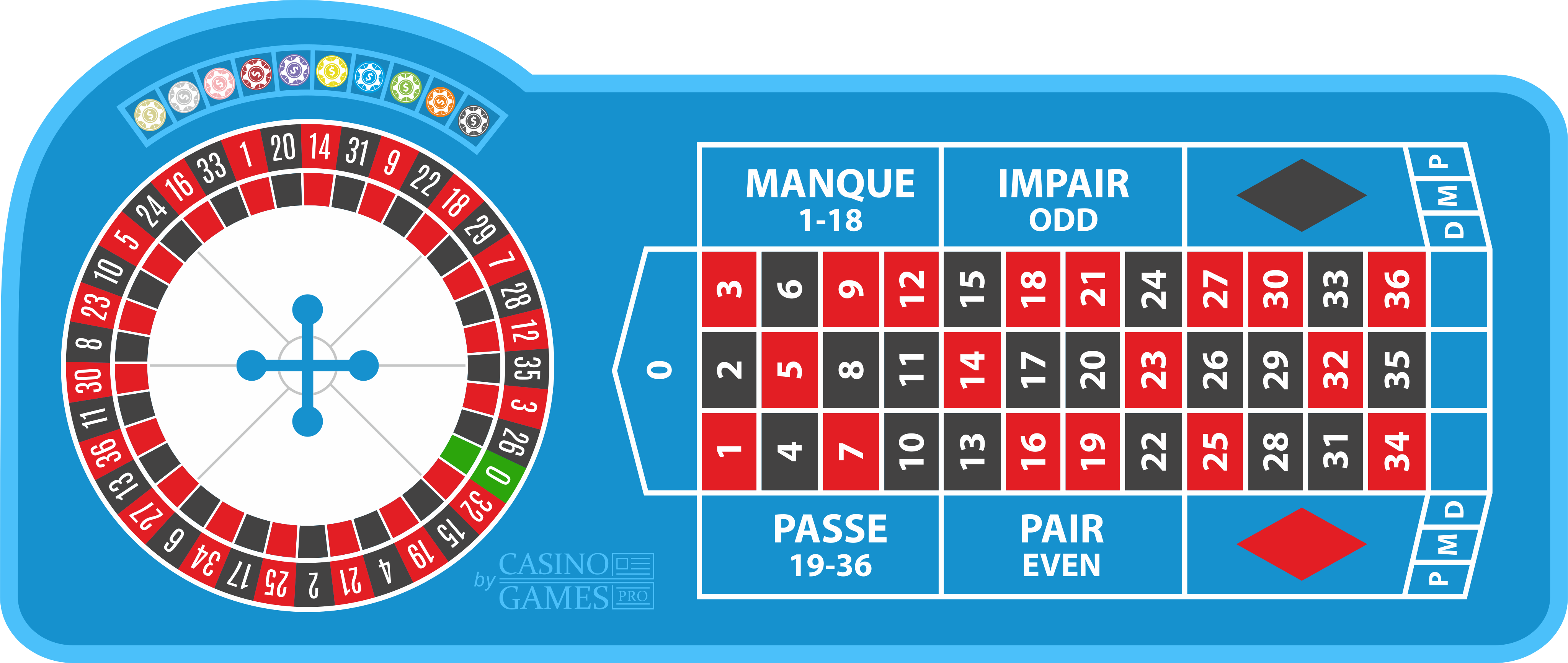
 Thanks to its immense popularity worldwide, roulette has evolved into three main variations: American, European, and French. The game is played according to the same basic principle, as each player aims to predict the winning number. Of course, that is only the foundation and is not enough to join a roulette table immediately. Players should understand the specific features and rules of the different variations.
The Birth of Online Roulette
 Thanks to modern technology and the rise of the Internet, roulette is now available at virtually every online casino. Playing roulette online gives you access to many interesting versions of the game in addition to the three main variations. Engaging graphics and user-friendly interfaces also enhance the online gaming experience. Before playing, all players should read the terms and conditions under which the casino operates.
Playing Roulette with Live Dealers
 For players who prefer a more traditional casino experience, online casinos offer the option to play roulette with a live dealer. You can follow every detail of the game through high-definition video streaming. The game takes place in real time and is managed by a professional dealer.
Players can interact with the dealer and other players through live chat. Live-dealer games offer an experience similar to playing in a brick-and-mortar casino. The main difference is that players do not need to travel to a casino and can instead enjoy the game from the comfort of their homes.



The Differences Between Roulette Variations
 The essential components of every roulette table are the wheel, the betting layout, and the small ball. European and French wheels consist of 37 pockets, numbered from 0 to 36. The American wheel has one additional pocket. European and French wheels contain a single-zero pocket, whereas the American wheel has both a single-zero and a double-zero pocket.
The main difference between the three variations stems from the extra zero pocket on the American wheel. The zero pockets give the casino its mathematical advantage over the player. American roulette therefore has a house edge of 5.26%, compared with 2.70% for European roulette and 1.35% under certain French roulette rules.
The Role of the House Edge
 At first glance, the extra pocket may seem insignificant, but it affects both the house edge and the player’s chances of winning. Many inexperienced players assume that even-money bets offer equal chances of winning and losing. This is not entirely accurate. On a single-zero wheel, there are 18 winning outcomes and 19 losing outcomes for an even-money bet, giving the player a 48.65% chance of winning and a 51.35% chance of losing. On an American table, there are 18 winning outcomes and 20 losing outcomes, which results in a 47.37% chance of winning and a 52.63% chance of losing. This produces a house edge of 5.26%.
Besides the house edge, there are differences in the betting layouts and the arrangement of the numbers on the wheels. These features do not change the game’s basic rules, but they help distinguish the different roulette variations. With some basic knowledge, it is not difficult to recognise each type of table.
Additional Rules on the French Table
 In terms of rules, there is one major difference that also affects the house edge. Some French tables offer the “En Prison” and “La Partage” rules, which decrease the house edge to 1.35%. These rules apply when the ball lands in the zero pocket and the player has placed an even-money bet. Depending on the applicable rule, the player either loses half the stake or leaves the bet on the same outside option for the next spin.



Diversity in the Betting Options
 When discussing roulette, it is impossible to overlook the game’s wide range of betting options. The layout consists of two main sections: the “inside” area, which represents the numbers on the wheel, and the “outside” area, which allows players to bet on particular categories of numbers. These sections correspond to the two major types of bets. Inside bets are placed on a particular number or group of numbers, while outside bets cover larger sections of the layout. Outside bets generally offer a higher probability of winning, but this comes with lower payouts than those offered by inside bets.
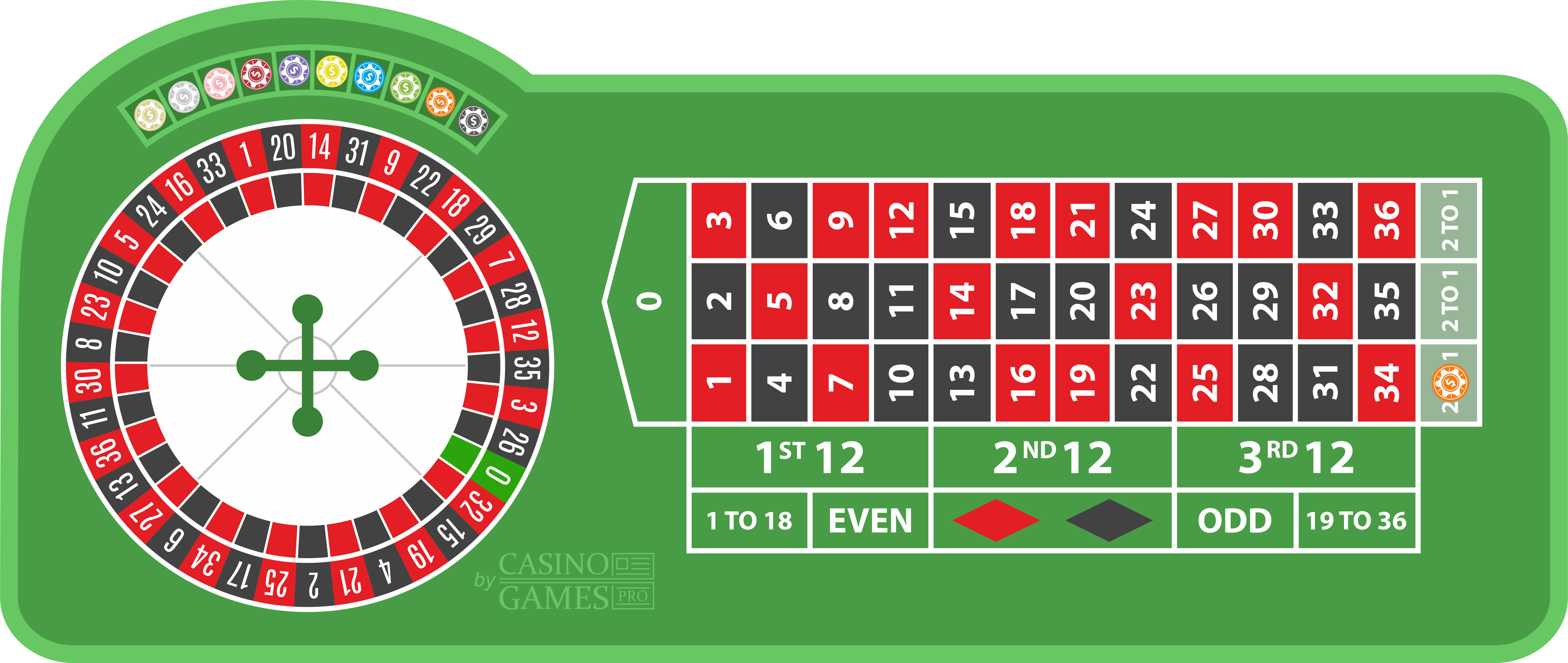
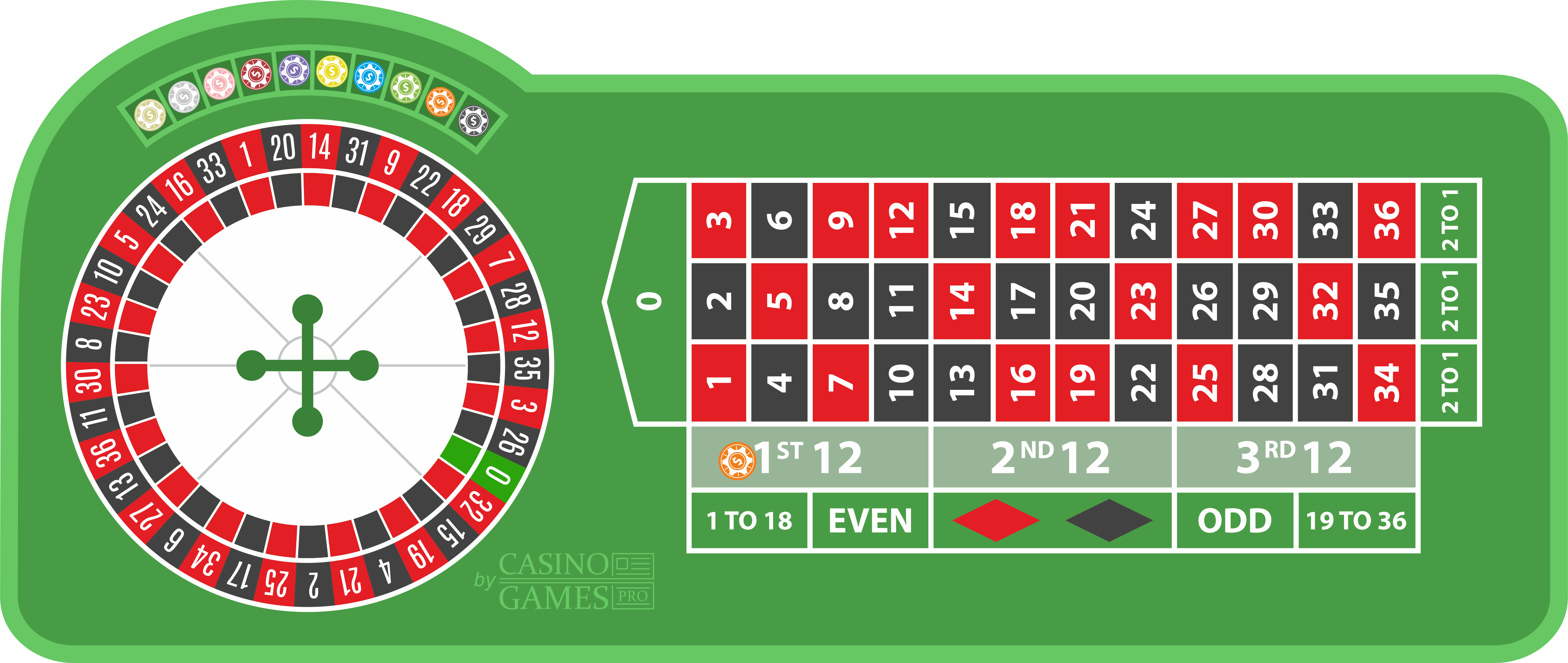
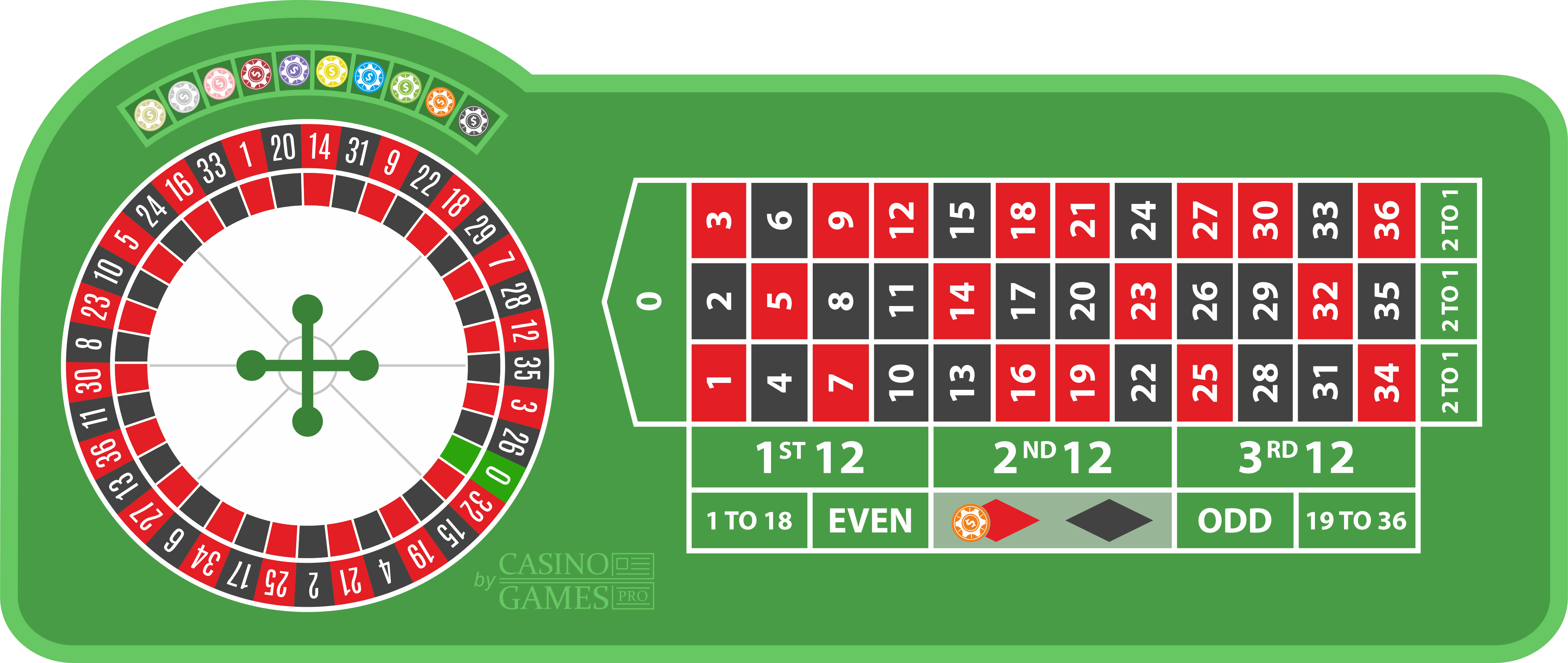
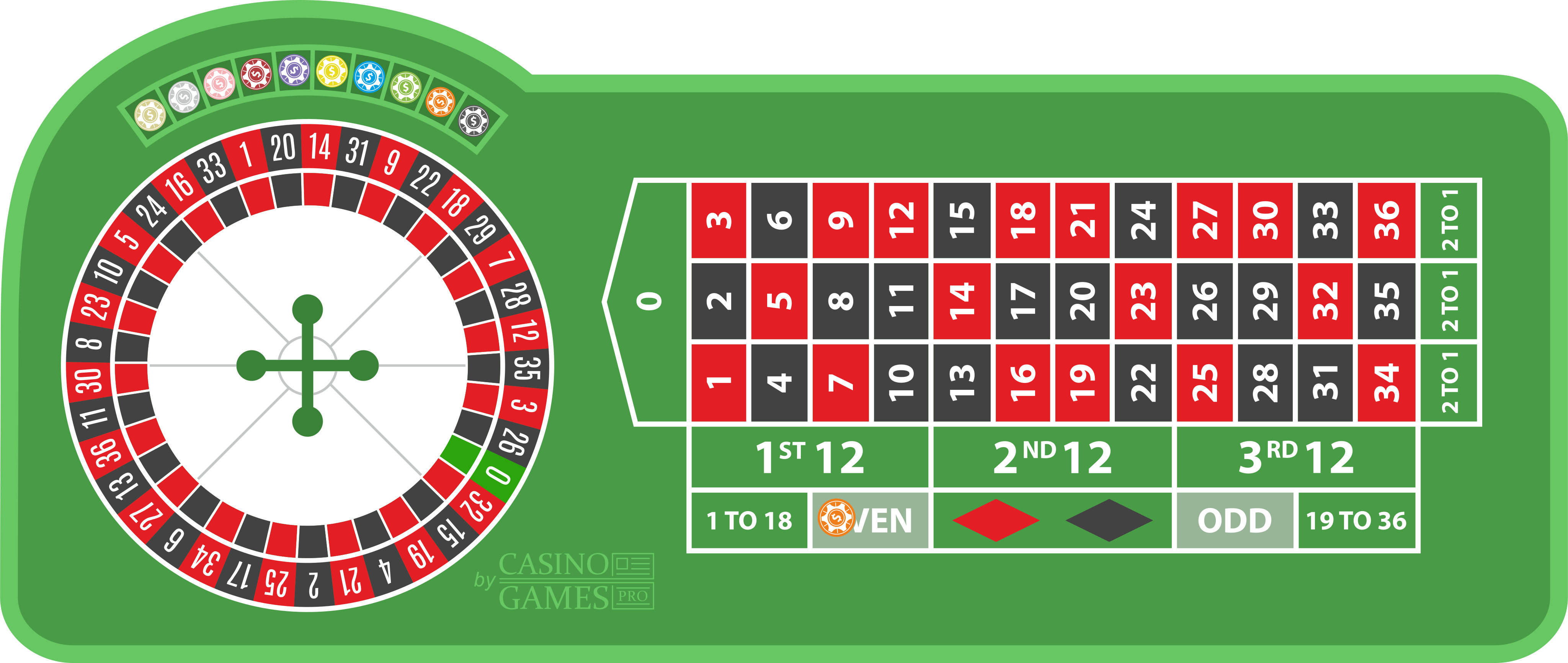
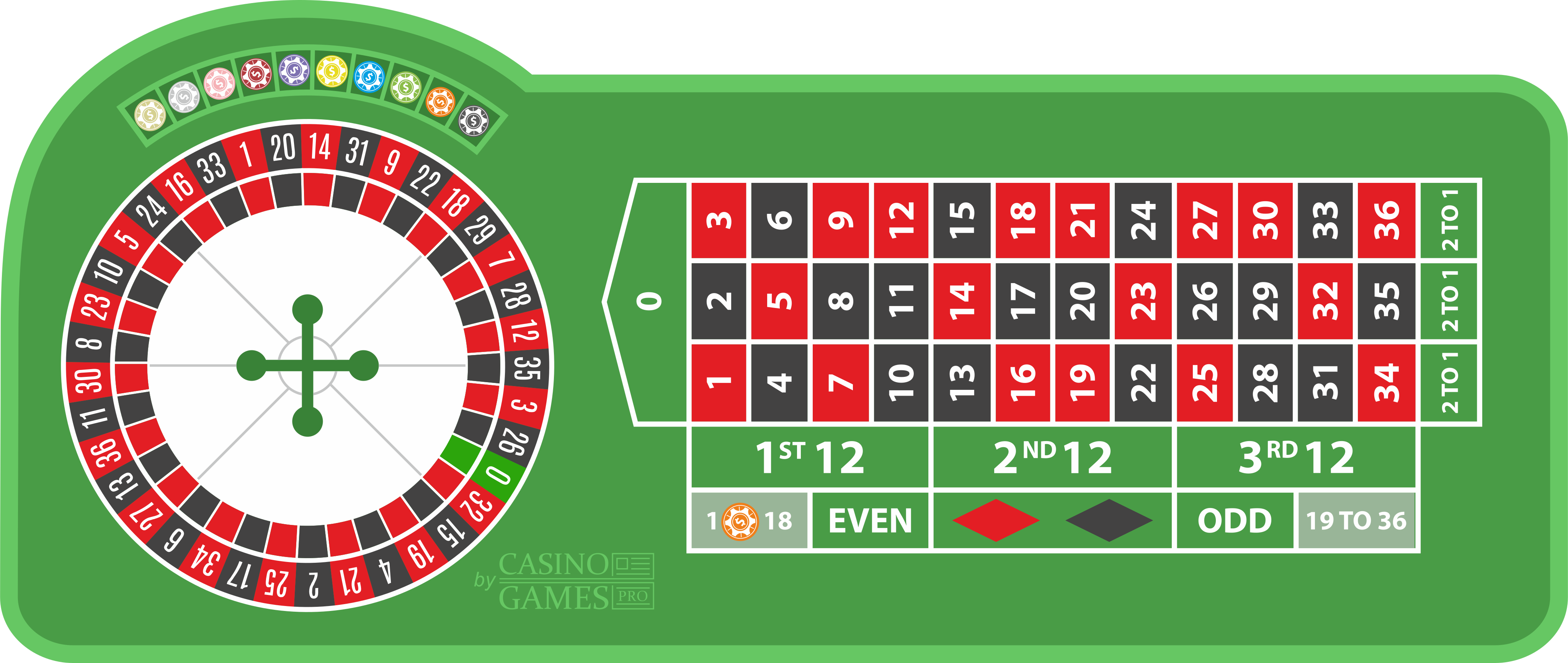
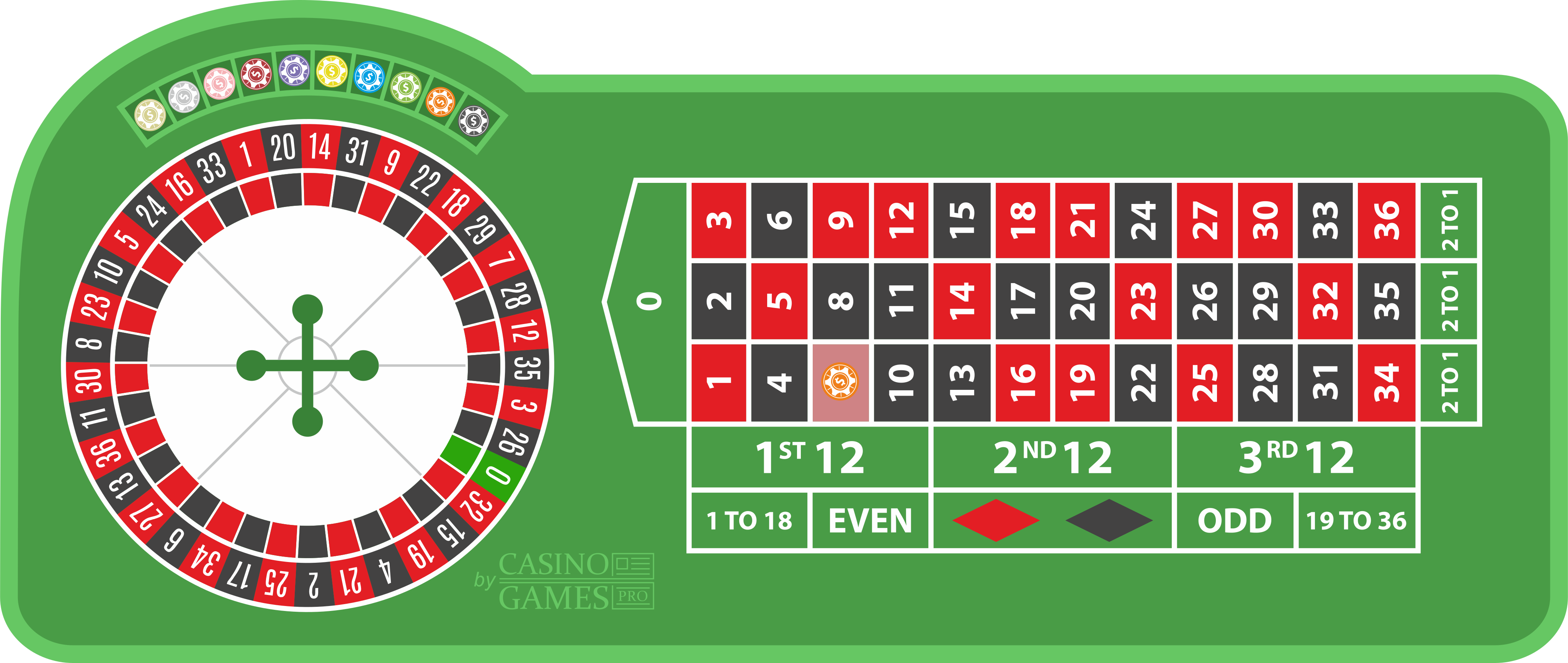
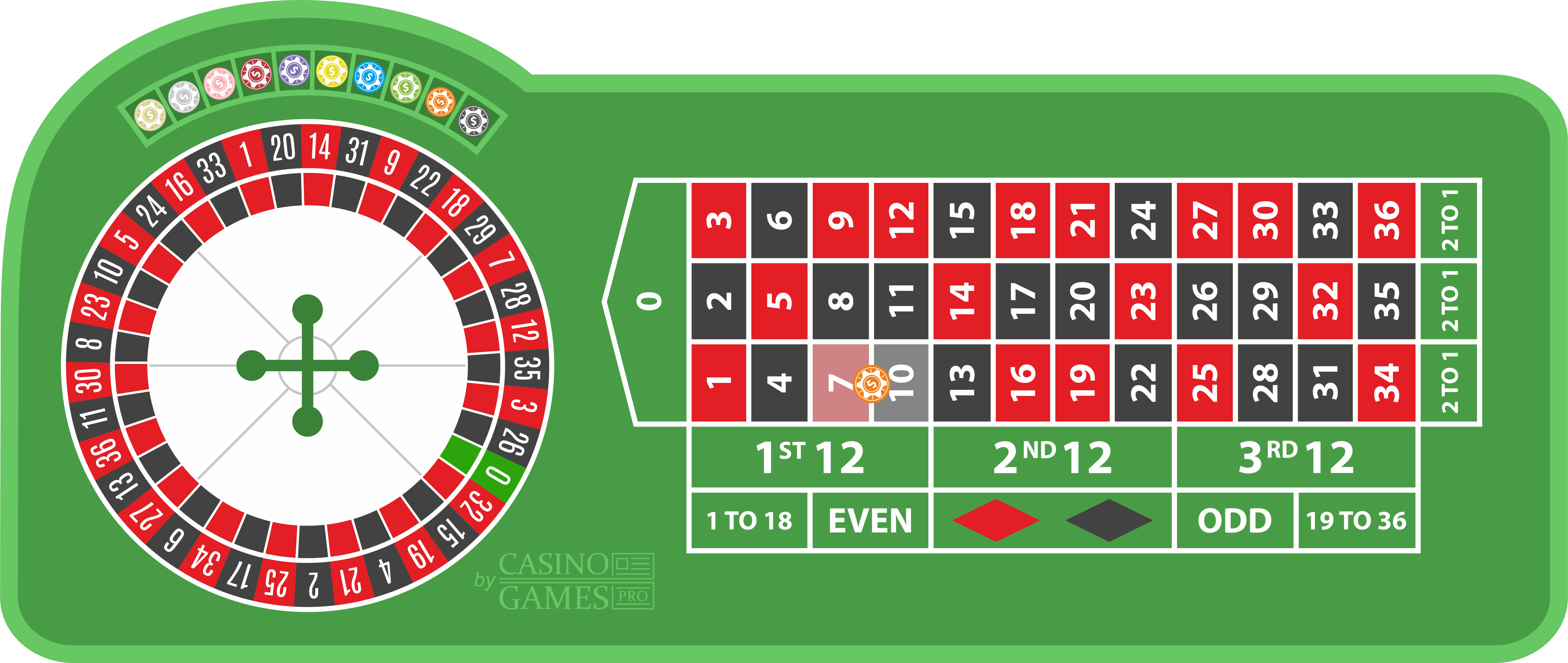
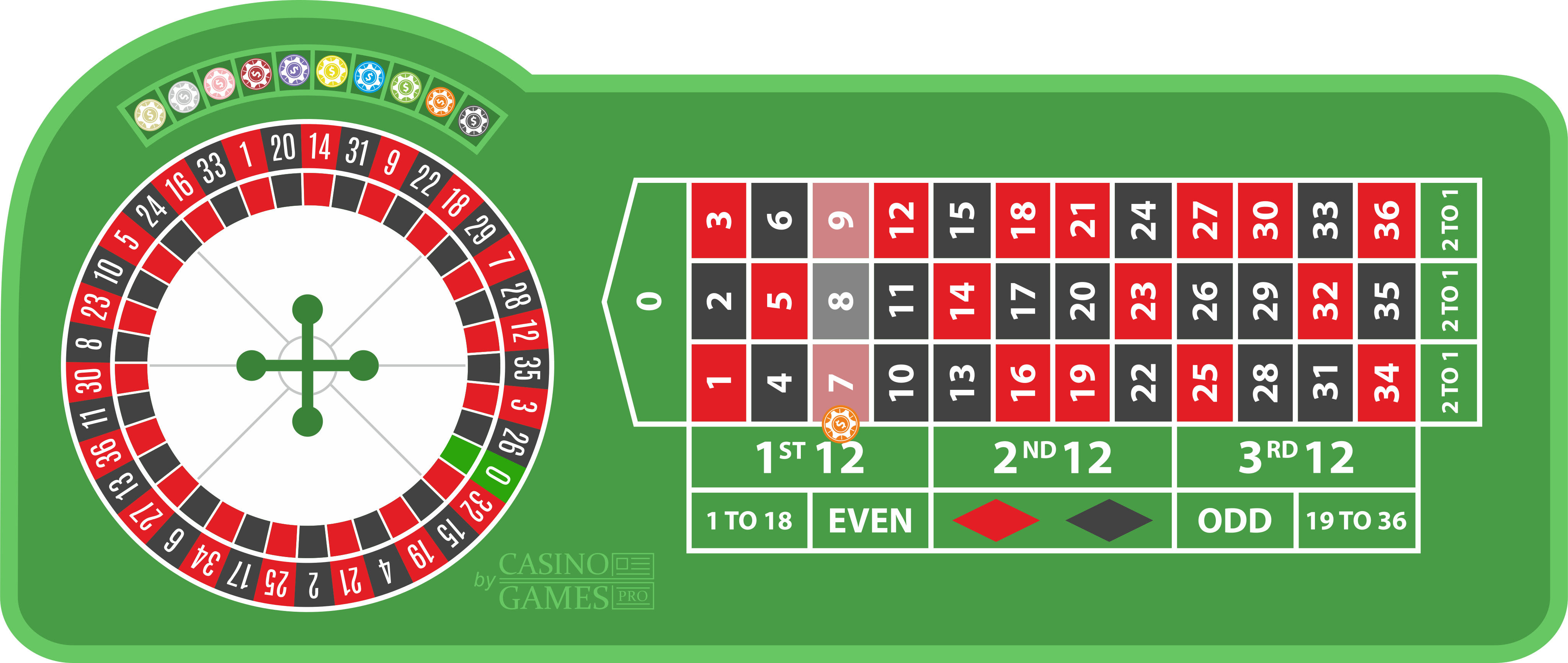
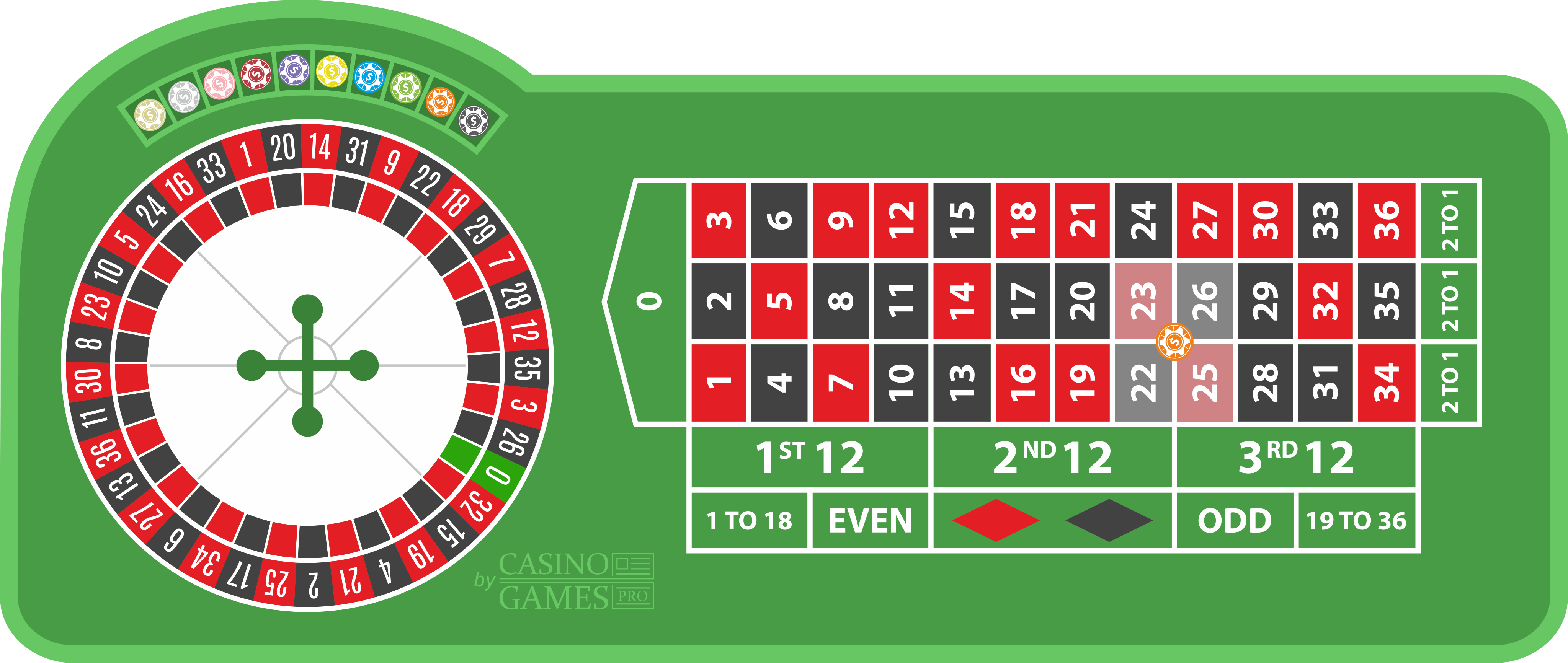
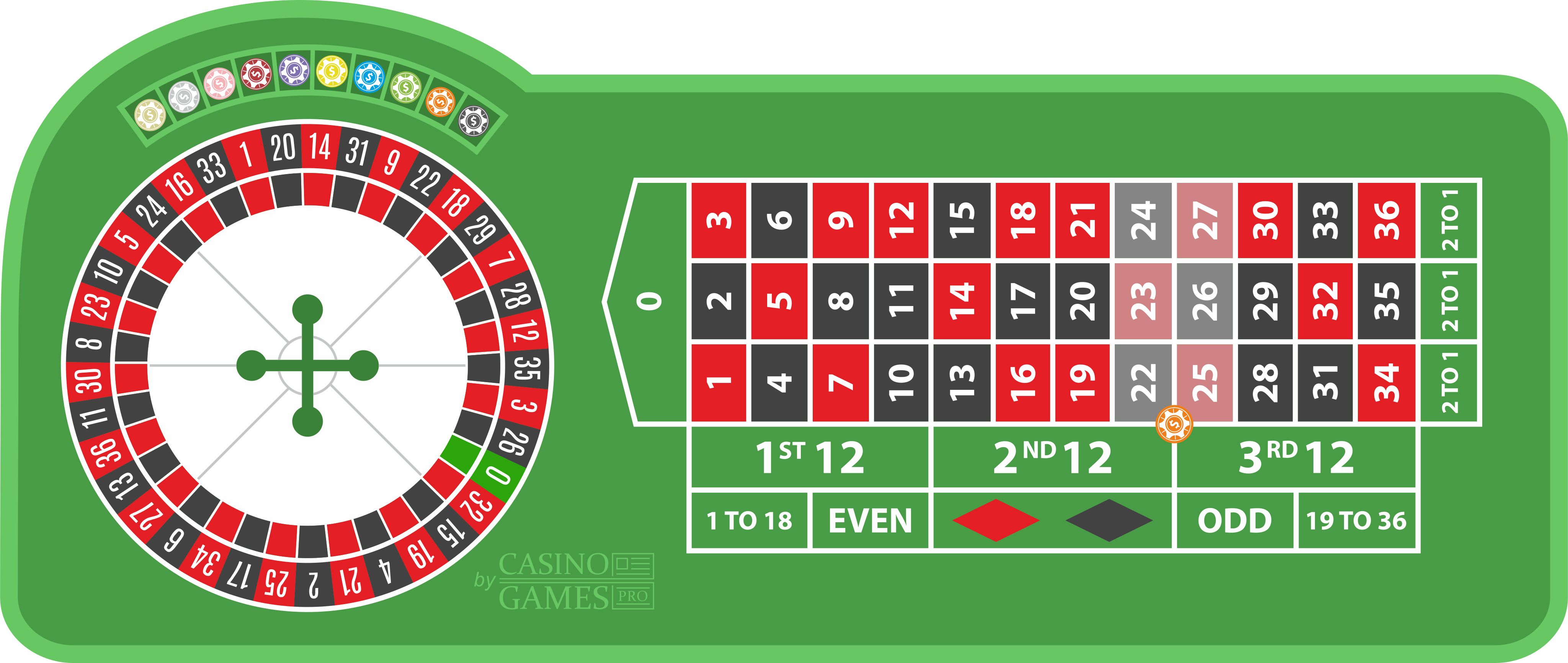
The French table also offers the well-known “called bets”, which are associated with the French variation of the game. These bets cover all the numbers in a particular section of the wheel. As combinations of split bets on two numbers and straight-up bets on individual numbers, they can appear complicated to inexperienced players. For this reason, the dealer places these bets at the player’s request.
One reason roulette is so popular is its simplicity. Bets are easily placed on the layout. The player simply needs to position the chips on the preferred section and wait for the croupier to announce the winning number. When placing bets, players should consider the table’s minimum and maximum limits and adjust their stakes accordingly.




The Secret Is in Self-Control
 Once the dealer releases the ball, there is no way to control where it will land. Roulette is therefore considered a game of chance. Luck determines the outcome, but a sensible plan can help players manage their bankrolls. The thrill of gambling can sometimes overpower common sense, so it is important to remain disciplined and control your spending. Set a loss limit and a profit target before playing, and stop when you reach either one. Responsible bankroll management includes knowing when to end a session.
Planning Bets in Advance
 Many experienced players follow a betting strategy. As mentioned above, it is impossible to predict the pocket in which the ball will settle. In roulette, a strategy is therefore a structured betting plan that players can follow. Two major categories can be outlined: negative and positive progression strategies. These systems use opposite approaches.
With negative progression systems, players increase their stakes after losses and decrease them after wins. This may sound counterintuitive, but the aim is to recover previous losses with a win. The problem is that no one can predict when a losing streak will end, so players may reach the table’s maximum limit very quickly.
Positive progression systems require players to increase their bets after wins and decrease them after losses. This approach limits stake increases during consecutive losing rounds. Players should not assume that because the ball has landed on red four times, the next spin is more likely to produce a black result.
There are different subtypes of these strategies. Some are easier to follow, while others are more complex. Regardless of the chosen system, proper bankroll management remains essential. Place modest bets and stay within the limits you have set. Use only money that you do not need for rent, bills, or other essential expenses. Treat the money allocated to gambling as spent, and do not expect to become rich from a single spin of the wheel.
Number Sequences, Patterns & Hot and Cold Numbers in Roulette
 One feature that makes roulette exciting is its distinctive wheel. Roulette games can feature either a single-zero or a double-zero wheel. You can tell them apart by counting the green pockets on each wheel. Recognising both types is important because the wheel in use affects your odds of winning. In general, games featuring a double-zero wheel are less favourable to players because the additional pocket increases the house edge. The numbers on the wheel are also arranged in a specific sequence rather than in numerical order.
Although roulette is a game of chance, many players still try to determine whether the ball follows a pattern. They review the outcomes of previous rounds and search for connections between them. However, the odds remain the same each time the ball is spun, regardless of previous outcomes. Another popular concept among roulette players is that certain numbers may become hot during a game. In other words, these numbers have appeared several times within a recent sequence of spins.
Roulette Casino Systems
 Roulette is one of the casino games most commonly associated with betting systems. Over the years, numerous systems have emerged, including several designed specifically for roulette. Betting systems allow players to place their wagers according to a structured plan. However, they do not change the game’s odds or guarantee that players will reduce their losses or make a profit.
Several types of betting systems can be distinguished, including positive progression, negative progression, and flat betting systems. Some of the most popular roulette systems are Martingale, Labouchere, Parlay, Fibonacci, and D’Alembert. Whether you are a seasoned player or a novice, you can find systems with varying levels of complexity. Each one provides a plan for placing bets and structuring a roulette session.
| Roulette Martingale Betting System | |||
|---|---|---|---|
| Bet Number | Bet Size | Spin Outcome | Net Winnings |
| #1 | 1 | LOSS | -1 |
| #2 | 2 | LOSS | -3 |
| #3 | 4 | LOSS | -7 |
| #4 | 8 | WIN | +1 |
| #5 | 1 | WIN | +2 |
| #6 | 1 | LOSS | +1 |
| #7 | 2 | LOSS | -1 |
| #8 | 4 | WIN | +3 |
Roulette Tournaments & 3D and Progressive Jackpot Roulette Games
 One way to diversify your gambling experience is to participate in a roulette tournament. Some casinos hold these events for roulette players, giving participants the opportunity to compete against one another for prizes. In some events, players do not need to finish in first place to receive a reward. Casinos may offer different types of roulette tournaments. In some formats, the winner is the player who accumulates the most chips within a set period. In others, the goal is to collect as many chips as possible during a fixed number of spins.
Two variations that offer different roulette experiences are 3D Roulette and progressive jackpot roulette. Both formats allow players to diversify their online roulette sessions. Progressive jackpot roulette games feature a jackpot whose value grows as the game is played, giving participants the opportunity to compete for a larger prize.
Mobile Roulette
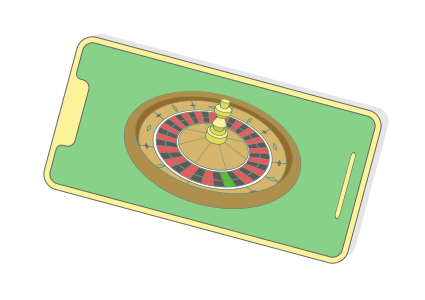 Many online casinos offer mobile platforms suitable for various mobile devices. Whether you have an iPhone, iPad, or Android device, you can play roulette on the go. Mobile casinos offer the convenience of choosing when, where, and how to play roulette.
You can use a tablet or smartphone to place real-money bets on your chosen numbers. The game may be accessed through your preferred browser or by downloading the casino’s app. Both options are convenient, and the choice depends on how you prefer to play.
Roulette for Real Money & High-Roller Roulette
 Roulette is available at many online casinos because it is one of the most popular casino games. To play for real money, you need to open an account with an online casino and make a deposit. Casinos usually offer a range of payment methods, allowing you to select the option that best suits your needs.
Before risking your own funds, it is best to consider all of the game’s important aspects and subtleties. Understanding how the game works can help you make more informed betting decisions. You should also familiarise yourself with the odds and house edge in advance. If you prefer a higher-risk approach and larger wagers, many roulette variations offer high table limits. Many online casinos cater to high rollers by providing high-stakes roulette tables.